Automated Bottling & Filling Systems for Nagoya Bottlers
Explore our export-ready monoblocks designed for PET, glass, and aluminum containers. Engineered to meet rigorous Japanese production line efficiency standards.
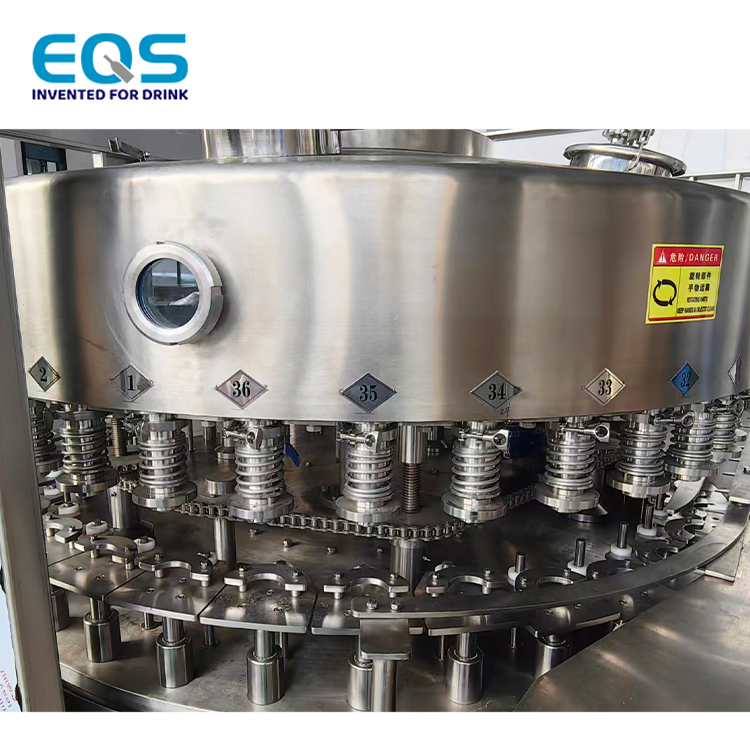
4-in-1 Pulp Juice Filling Machine with Mixing System
Designed for PET bottle lines handling suspended fruit pulp. Features an integrated magnetic agitation tank to maintain uniform pulp dispersion without clogging.
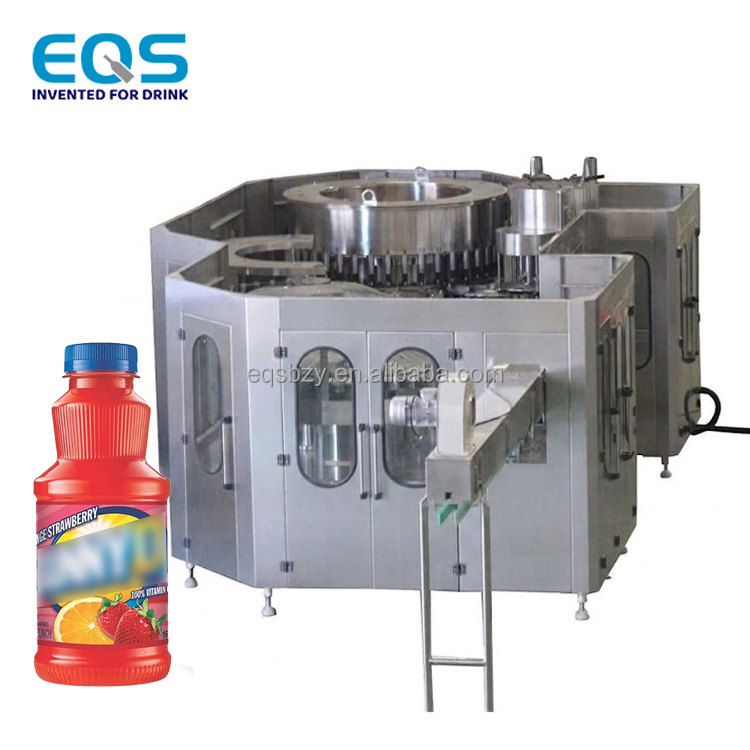
Complete 4-in-1 Fruit Pulp Juice Bottling Line
Fully automated beverage packaging equipment incorporating rinsing, dual-pulp dosing, hot filling, and magnetic capping for high-viscosity juices.
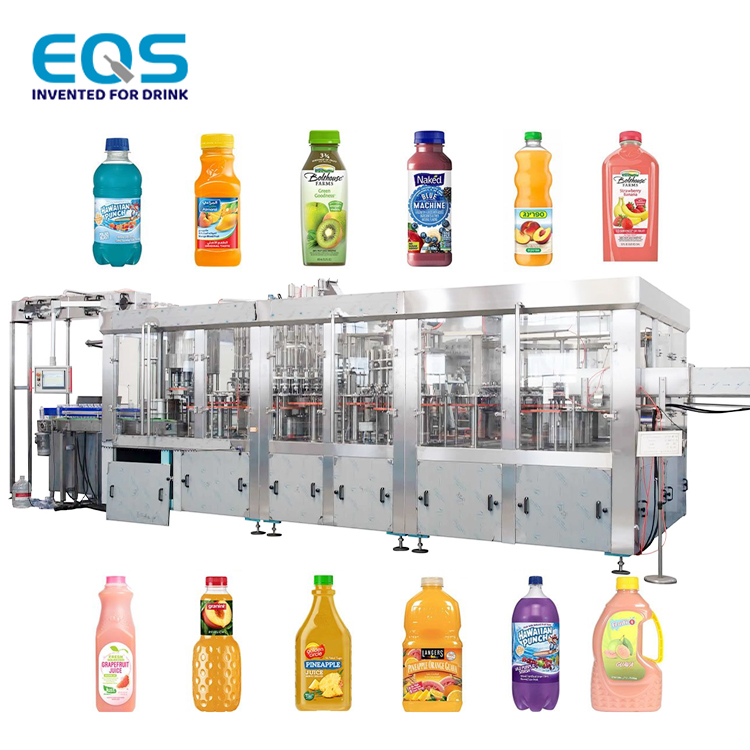
Industrial Automatic PET Juice Hot Filling Line
High-speed thermal bottling line operating at 85°C–92°C with full thermal recirculation to preserve organoleptic quality and guarantee sterility.
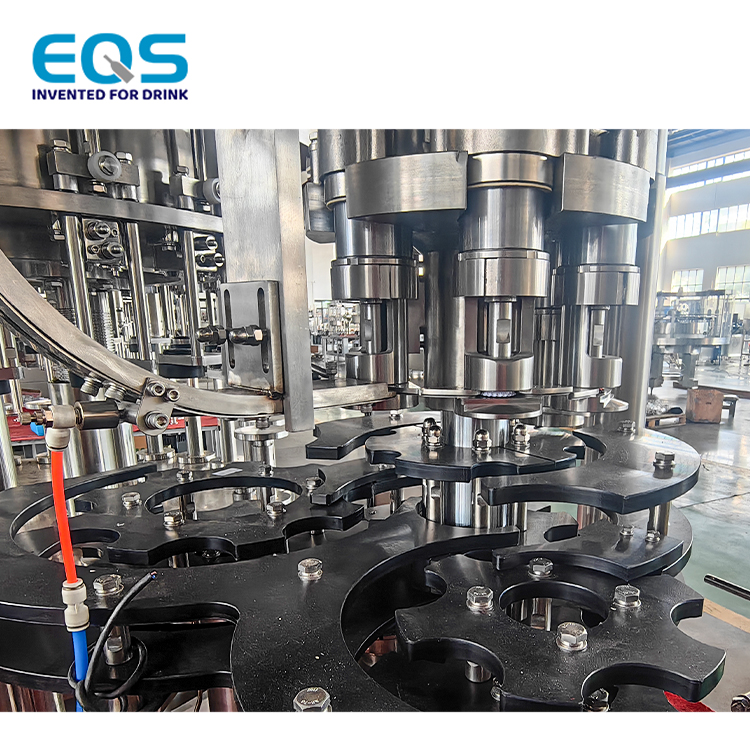
High-Speed 3-in-1 Beer Bottling Equipment Monoblock
Isobaric counter-pressure filling system with double pre-evacuation technology designed to maintain minimal dissolved oxygen (DO) pick-up for glass bottles.
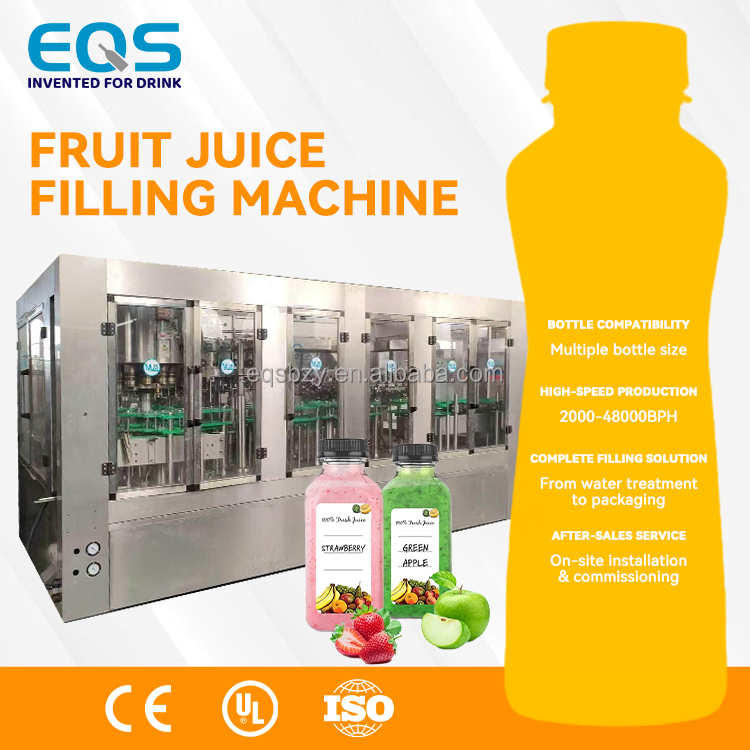
20,000 BPH High-Speed Glass Bottle Hot Filling Monoblock
Mass-production bottling line for RTD teas and juices in glass containers. Integrates CIP cleaning hoods, electronic neck-handling, and torque control.
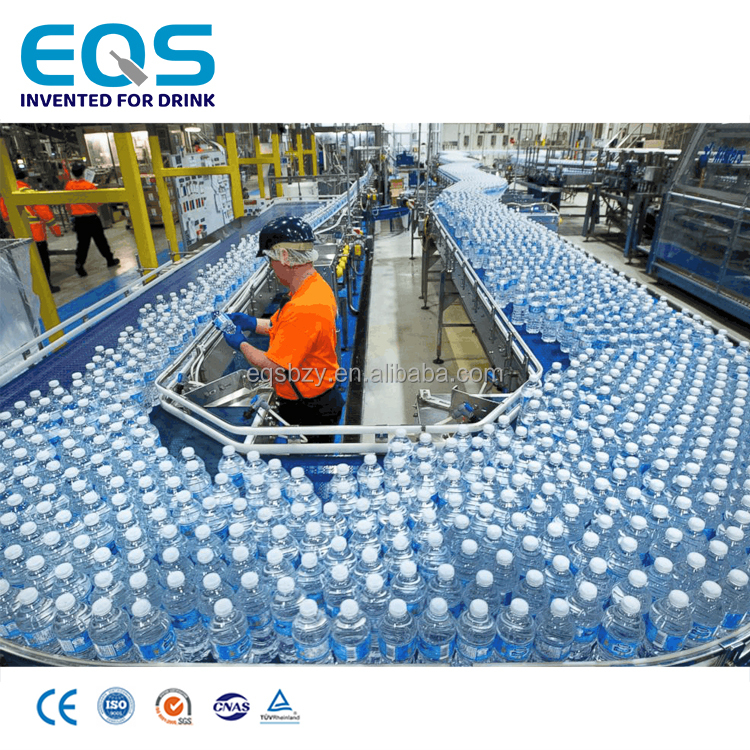
Pure & Mineral Water Treatment & Bottling Turnkey Line
Complete process engineering from raw water Reverse Osmosis (RO) filtration to high-speed blow-fill-cap combi blocks and automated end-of-line packaging.
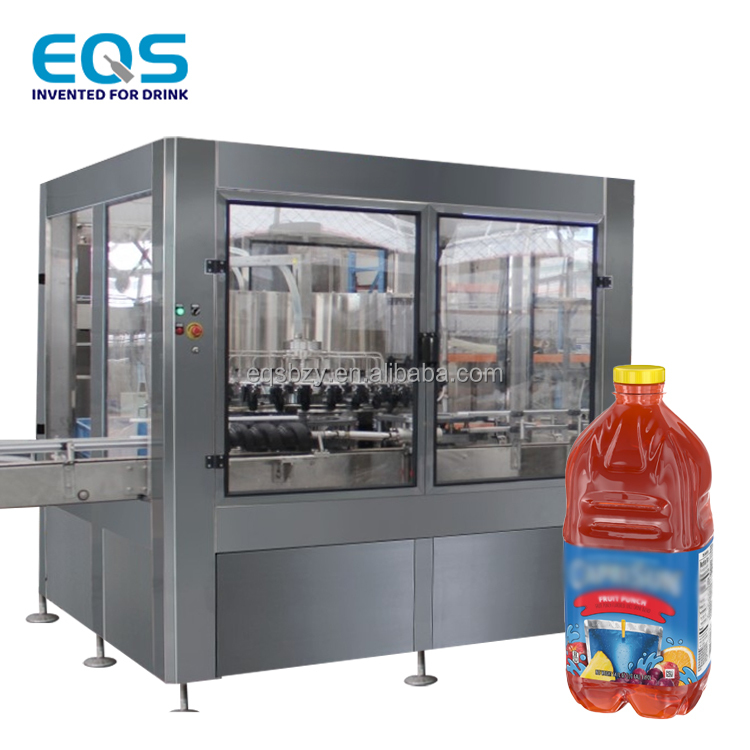
Factory Direct 4-in-1 Pulp PET Bottling Line
Compact footprint monoblock combining air rinsing, pulp piston dosing, liquid filling, and capping. Optimized for medium-scale craft juice producers.
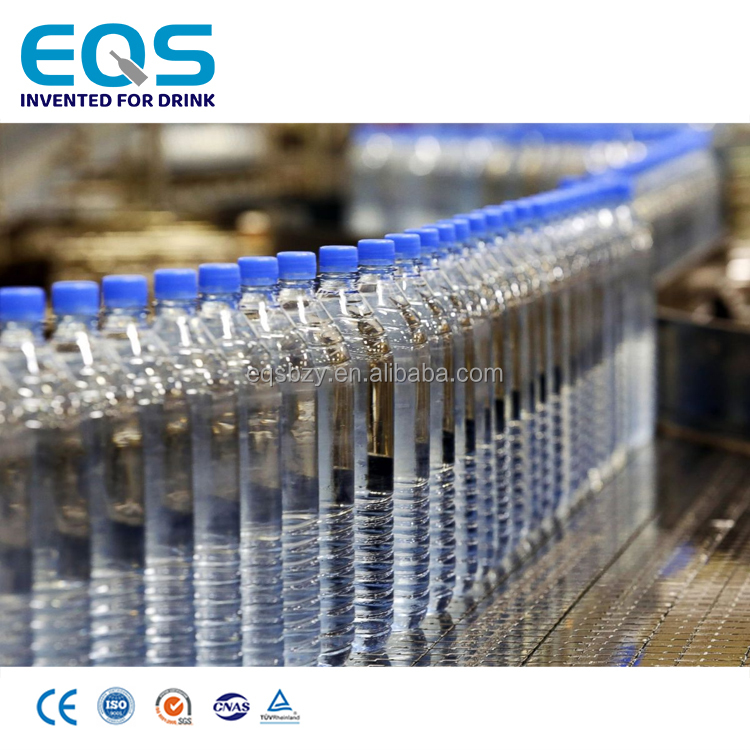
Fully Automatic PET Water Packaging Line
End-to-end drinking water line integrating neck-handling filling, hot-melt OPP sleeve labeling, automatic film wrapping, and palletizing.
Soft Drink Bottling Dynamics in Greater Nagoya & Chubu Region
Strategic insights for beverage factory directors, project engineering leads, and co-packers seeking capital-efficient machinery implementations.
Chubu Market Demand Trends
Nagoya serves as the logistics and industrial engine of Aichi Prefecture. Local beverage plants face rising demand for premium craft carbonated sodas, functional herbal drinks, local citrus (Yuzu/Kabosu) juice blends, and RTD green teas. Factories require flexible, multi-format filling lines capable of switching between standard PET, ultra-lightweight bottles, and glass containers with minimal changeover downtime.
Energy Efficiency & Decarbonization
With Japanese power grid standards (Chubu Electric Power 60Hz frequency domain) and corporate ESG mandates, modern bottling machines operating in Aichi must prioritize thermal recovery, frequency-inverter controls, and low-pressure blow molding systems. High-efficiency servos and closed-loop heat exchangers cut operational kWh per 1,000 bottles significantly.
Strict Japanese Food Safety Standards
Navigating Japan's Food Sanitation Act and strict HACCP compliance demands sanitary fluid pathways. Liquid touchpoints must strictly utilize AISI 316L stainless steel, electro-polished internal piping (Ra < 0.4 µm), and automated clean-in-place (CIP) and sterilize-in-place (SIP) spray ball systems with full chemical concentration tracking.
Information Gain Strategic Advantage: Counter-Pressure Isobaric vs. Atmospheric Hot Filling
Selecting the correct filling architecture is the single most critical engineering decision for plant profitability. Carbonated Soft Drinks (CSD) require precise mechanical counter-pressure (Isobaric) systems maintaining 0.4–0.6 MPa carbonation pressure during gas filling to prevent CO2 breakout and excessive foaming. Conversely, sensitive pulp juices and RTD teas rely on precision temperature-managed Hot Filling (85°C–92°C) or Aseptic Ultra-Clean Isolators to achieve extended ambient shelf-life without chemical preservatives. Zhangjiagang OGVU Machinery delivers modular monoblock frameworks tailored specifically to these liquid physics.
Soft Drink Bottling Machine Technical Matrix
Comprehensive engineering comparison across primary filling technologies utilized by beverage processors serving the Nagoya and Aichi markets.
| Filling Technology | Target Beverage Types | Suitable Containers | Filling Speed Range | Core Technical Feature |
|---|---|---|---|---|
| Isobaric Counter-Pressure | Sparkling Soda, CSD, Craft Beer, Sparkling Mineral Water | PET, Glass Bottle, Aluminum Can | 3,000 – 24,000 BPH | Mechanical isobaric valve with double vacuum evacuation & CO2 flushing to retain dissolved gas. |
| Hot Filling (85°C–92°C) | Fruit Juices, Nectars, RTD Green & Black Teas, Sports Drinks | Heat-Resistant PET (Neck-Reinforced), Glass | 2,000 – 20,000 BPH | Continuous thermal recirculation loop, automatic temperature feedback, cap-reversing sterilization. |
| 4-in-1 Dual-Stage Pulp Dosing | Juice with Fruit Cells/Pulp, Aloe Vera Drinks, Coconut Water | PET, Glass Bottle | 2,000 – 15,000 BPH | Piston-driven volumetric pulp dosing followed immediately by thermal juice liquid top-off. |
| Aseptic Ambient Filling | Preservative-Free Milk Tea, Plant-Based Milk, Delicate Juices | Standard Lightweight PET, Brick Carton | 6,000 – 36,000 BPH | Class 100 sterile isolator environment, Peracetic Acid (PAA) bottle & cap sterilization. |
| Gravity Normal Pressure | Non-Carbonated Mineral Water, Purified Water | Standard PET, 3/5 Gallon Jars | 3,000 – 30,000 BPH | High-flow liquid level filling valves, low maintenance, lightweight preform friendly. |
Adapting Overseas Bottling Machinery for Japanese Industrial Facilities
How Zhangjiagang OGVU Machinery configures equipment for seamless site installation, electrical synchronization, and operational compliance in Japan.
Electrical & Mechanical Synchronization
- Voltage & Frequency Adaptation: Standardized multi-tap transformers supporting 200V / 220V 3-Phase at 60 Hz (Chubu Electric Power region standard).
- Japanese Component Integration: Optional integration of Mitsubishi Electric PLC & HMI touchscreens, Omron sensors, and SMC pneumatic actuators for rapid local maintenance.
- Seismic & Structural Safety: Heavy-duty SUS304 structural frames with floor-anchoring seismic damping pads engineered to withstand regional tremors.
Port Logistics & Import Compliance
- Direct Shipping to Port of Nagoya: Convenient ocean freight routing from Shanghai/Zhangjiagang directly to Nagoya Port or Yokkaichi Port with complete ISPM-15 wooden crate packaging.
- CE & Food Contact Declaration: Comprehensive technical documentation, stainless steel material mill test certificates (MTC), and electrical wiring diagrams.
- Remote & On-Site Engineering Support: Multilingual technical teams handling FAT (Factory Acceptance Test) via video and sending field technicians for installation & commissioning.
7-Stage Turnkey Bottling Execution Protocol
A disciplined, milestone-driven engineering process ensuring your Nagoya plant starts production on schedule and within budget.
Demand Analysis
Evaluation of beverage recipe, viscosity, target carbonation level, bottle drawings, and workshop CAD layouts.
Line Engineering
Selection of monoblock configuration, water treatment capacity sizing, conveyor indexing, and energy load calculations.
Precision Manufacturing
CNC machining ofSUS316L/304 components, valve manifold assembly, and electrical control cabinet wiring.
Factory Acceptance (FAT)
Rigorous trial run with client-supplied preforms, bottles, and liquid samples before export approval.
Export Logistics
Heavy-duty anti-rust oil treatment, vacuum foil wrapping, and crating bound for Nagoya Port.
On-Site Commissioning
Mechanical anchoring, electrical hookup, line synchronization, and CIP validation by field engineers.
Operator Training
Hands-on SOP instruction covering routine maintenance, sanitation protocols, and parameter adjustment.
Lifetime After-Sales
Express spare parts dispatch, remote PLC diagnostic support, and annual preventive health checks.
Zhangjiagang OGVU Machinery Co., Ltd.
Located in Zhangjiagang City—China’s premier beverage packaging machinery cluster—OGVU Machinery brings over 11 years of international engineering experience. We specialize in complete turnkey bottling lines spanning reverse osmosis water treatment, carbonated soft drink filling, hot juice bottling, and automated end-of-line packaging.
- Intertek Audited Premises: Verified operational capacity, factory footprint, and manufacturing tools by independent third-party inspectors.
- CE Quality Certification: Machinery lines compliant with essential European and international safety directives.
- Full Production Line Integration: Single-source responsibility eliminating communication friction between separate vendor stations.
Quality Inspection Standards
Spectrometer testing of SUS304 and SUS316L stainless steel stock prior to machining.
Pressure endurance testing of filling valves under 0.8 MPa gas/fluid conditions.
Pre-shipment trial run under full load speed to verify electrical thermal stability and mechanical alignment.
Frequently Asked Questions for Nagoya Importers
Expert answers addressing technical, electrical, and commercial queries regarding bottling machinery procurement.
To prepare an exact engineering layout and quote, please specify: (1) Liquid type and viscosity/carbonation volume; (2) Container material (PET, glass, can) and bottle volume range (e.g., 350ml to 1.5L); (3) Target production capacity in Bottles Per Hour (BPH); (4) Cap style (screw cap, crown cap, pull-ring); (5) Labeling format (sleeve, OPP hot-melt, self-adhesive); and (6) Available plant dimensions and ceiling height in your Nagoya workshop.
Our isobaric counter-pressure monoblocks feature pneumatic pressure regulators and digital pressure sensors. By adjusting the back-pressure gas cushion in the central liquid bowl (typically 0.25 to 0.45 MPa) and maintaining product temperature between 4°C–8°C using an inline syrup/water carbonator, CO2 gas remains fully bound in solution without foaming or volume variance.
Yes. Rotary monoblocks utilizing neck-handling technology can accommodate multiple PET bottle heights and diameters within a given range. Changing bottle formats requires swapping quick-release starwheels, bottle-inlet guide plates, and adjusting the electrical height of the filling/capping heads via HMI touch control. Complete changeovers take under 30 minutes.
Our 4-in-1 pulp juice monoblocks utilize a dedicated initial volumetric piston dosing station with continuous mechanical or magnetic agitation inside the pulp balance tank. This ensures fruit cells (up to 10x10mm size) remain evenly suspended in every dose before the second station tops off the liquid juice at thermal hot-filling temperatures.
Manufacturing lead time for standard monoblock machines ranges from 30 to 45 days; complete turnkey lines take 60 to 75 days. Transit time via direct container vessel from Shanghai/Zhangjiagang to Nagoya Port is fast—typically only 3 to 5 days at sea—allowing rapid project deployment.
Yes. We provide a recommended 2-year wearing parts package (O-rings, seal gaskets, filling nozzles, capping heads, pneumatic tubing) with initial shipment. Furthermore, critical pneumatic and electrical components utilize standard international brands (SMC, Omron, Schneider) available locally in Japan, alongside our direct factory express air-freight support.
Request a Custom Technical Engineering Proposal Today
Send us your bottle samples, liquid parameters, and workshop dimensions. Our engineering team will return a CAD factory layout and detailed machine proposal.