High-Performance Bottling & Canning Lines
Engineered for high-volume beverage processing, precision double-seaming, and long shelf-life integrity.
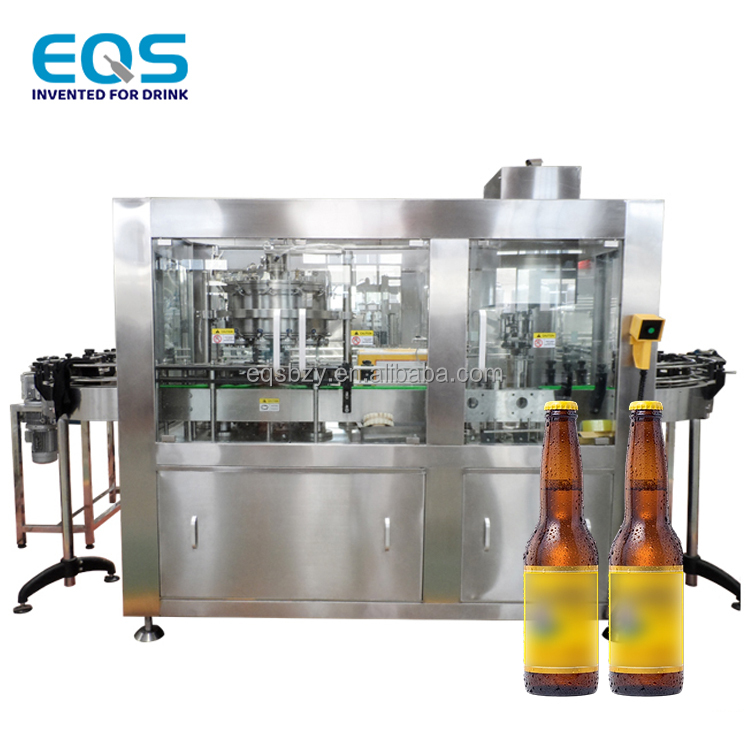 Beer & CSD
A to Z Turnkey Beer Bottling Line 7000BPH PET Bottle Beer Filling Machine with Aluminum Cap
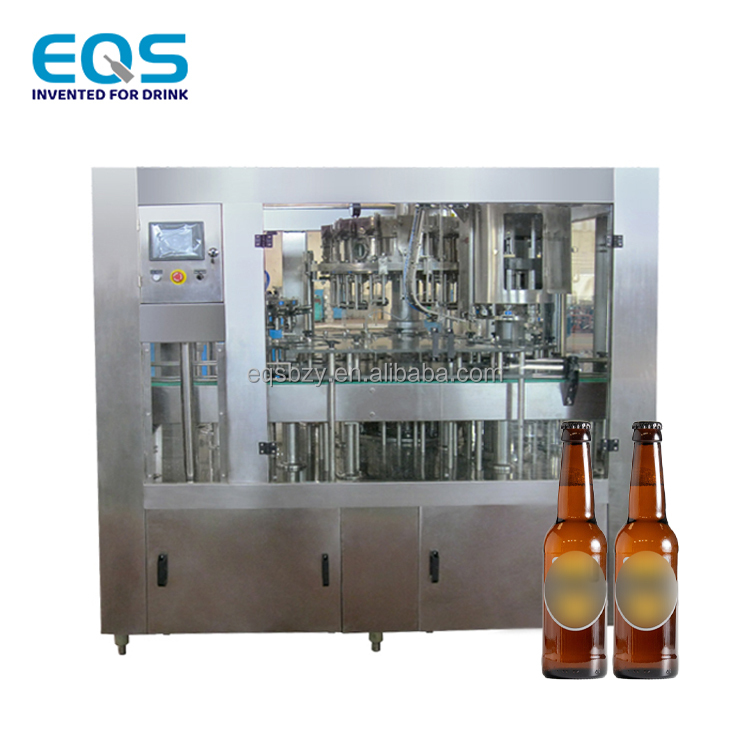 Isobaric System
Complete PET Bottle Beer Bottling Plant 7000BPH Automatic Isobaric Filling Production Line
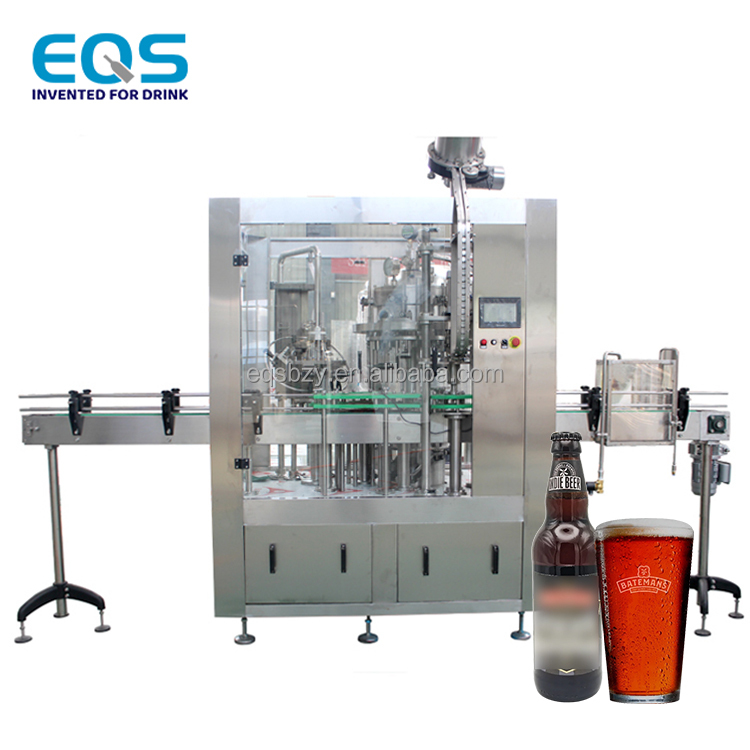 High Output
Automatic 24000BPH 2-in-1 Isobaric Beer Filling Monoblock Stable Running PET Glass Bottle Beer Bottling Line
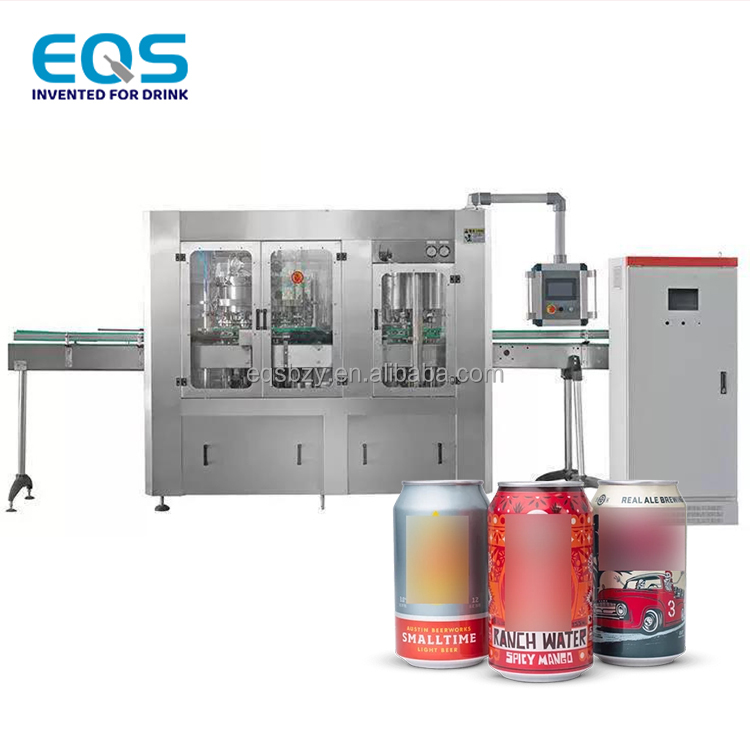 Can Filling
Industrial 330ml 500ml Aluminium Can Filling Sealing Machine for CO2 Carbonated Beverage Juice and Beer
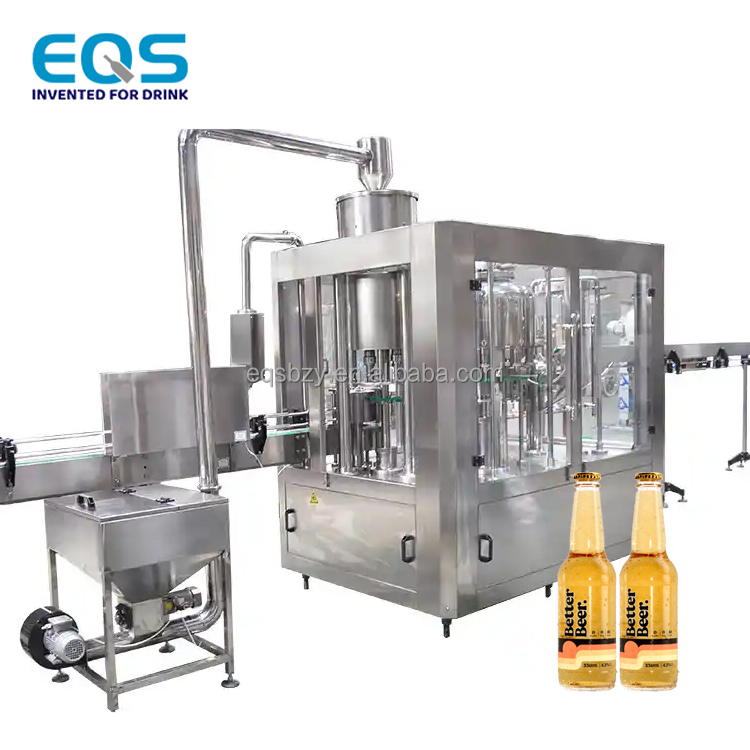 Turnkey Line
Turnkey PET Bottle Beer Filling Production Line 4000 6000 8000 BPH Complete Beverage Bottling Equipment
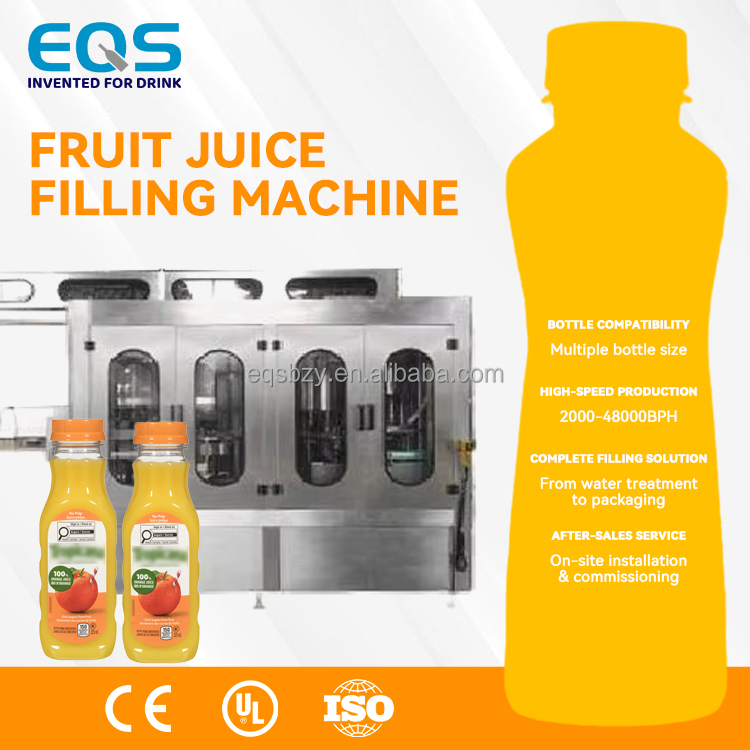 Juice & Pulp
Fully Automatic 4-in-1 Fruit Juice Filling Machine With Pulp PET Bottle Hot Filling Beverage Bottling Line
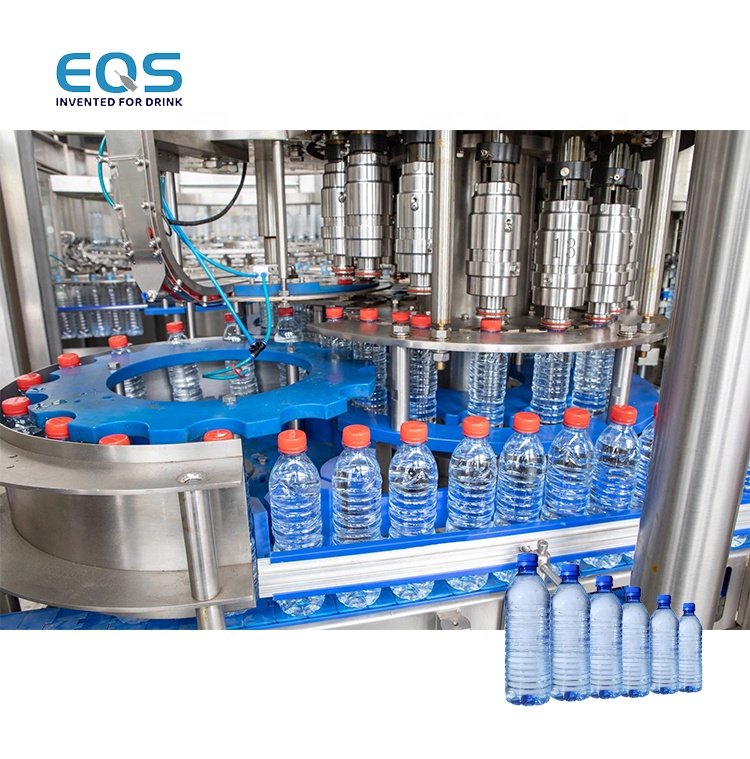 Water Line
A to Z Complete Pet Bottling Production Line Automatic Mineral Pure 3 in 1 Water Filling Machine Manufacturer
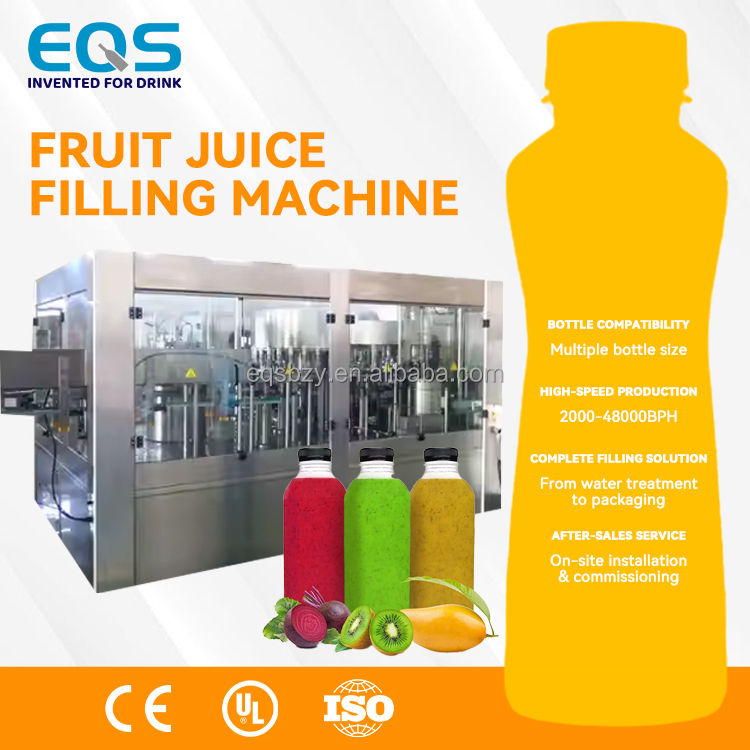 Juice Canning
Complete 2000BPH Juice Canning Line Aluminium Can Juice Filling & Seaming Whole Line
1. The Hyderabad & South India Beverage Canning Landscape: Trends, Dynamics & Industrial Growth
Hyderabad, the capital of Telangana, has rapidly transformed into one of India’s most strategic hubs for food, beverage, and fast-moving consumer goods (FMCG) manufacturing. Driven by massive industrial clusters in regions such as Pashamylaram, Patancheru, Medchal, Cherlapally, and Jadcherla, local beverage plant operators are experiencing an unprecedented surge in demand for automated, high-speed, and low-waste liquid packaging systems.
Historically dominated by returnable glass bottles (RGB) and standard PET bottles, the South Indian beverage ecosystem is undergoing a dramatic structural migration toward aluminium cans (250ml sleek, 330ml standard, 500ml tall). This industrial pivot is accelerated by several key market factors:
- Expansion of Ready-to-Drink (RTD) & Craft Beverages: Microbreweries and commercial craft breweries across Jubilee Hills, Gachibowli, and the HITEC City corridor are expanding into retail distribution via canned craft beer, cold-brew coffee, and hard seltzers.
- Fruit Juice & Mango Pulp Processing: Telangana and neighbouring Andhra Pradesh are premier mango and guava producing belts. Local processors in Hyderabad are transitioning from traditional glass jars to aseptic and hot-fill aluminium cans for tropical fruit juices and carbonated fruit beverages (Nektar).
- Consumer Eco-Consciousness & Cold Chain Efficiency: Aluminium cans offer superior recycling credentials, complete light opacity, and rapid thermal conductivity—reducing chilling energy consumption for commercial retailers and QSR chains in urban Telangana.
- Rise of Functional & Energy Drinks: High-margin energy drinks, sparkling botanical waters, and fortified kombuchas require oxygen-barrier packaging to preserve active ingredients under humid tropical ambient conditions.
Information Gain: Environmental Adaptation for Hyderabad Plants
Operating beverage canning machinery in Hyderabad requires engineering tailored to local environmental conditions. Peak summer temperatures exceeding 42°C in Telangana demand specialized product chilling loops (CO2 absorption control at 4°C–8°C) and heavy-duty CIP (Clean-In-Place) sanitization to eliminate bio-burden risks in high-ambient environments.
2. Engineering Deep Dive: Counter-Pressure Isobaric Canning vs. Atmospheric Filling Technologies
When selecting beverage canning equipment manufactured in China for deployment in Hyderabad, understanding the fluid dynamics and gas-retention physics of the filling mechanism is paramount. Selecting the incorrect filling technology leads to excessive product loss, carbonation degradation, and unacceptable dissolved oxygen (DO) pickup.
Isobaric Counter-Pressure Filling
Essential for Carbonated Soft Drinks (CSD), beer, sparkling water, and canned cider. The filling valve pressurizes the aluminium can with inert gas (CO2 or N2) to match the supply tank pressure before liquid displacement, preventing foaming and gas flash-off.
Hot Filling & Pulp Recirculation
Engineered for non-carbonated fruit juices, teas, and pulp-infused drinks filled at 85°C–92°C. Features dynamic product recirculation loops to maintain sterilization temperature and prevent pulp sedimentation in the filling manifold.
Ultra-Clean Aseptic Filling
Designed for preservative-free milk beverages, plant-based protein drinks, and premium herbal infusions. Integrates HEPA laminar flow enclosures, automated peroxide mist container rinsing, and positive-pressure sterile air locks.
Double-Seamer Mechanical Precision & Micro-Leakage Prevention
The double seaming operation is the most critical mechanical step in any canning automation line. A double seam is created in two distinct operations: the first operation roll forms the can body hook and lid curl; the second operation flattens and compresses the hook layers together, creating a hermetic seal aided by a liquid sealing compound.
Zhangjiagang OGVU Machinery equips every canning monoblock with heavy-duty stainless steel (SUS316L / SKD11) seaming chucks and ceramic-coated seaming rolls. Our precise mechanical tolerances guarantee compliance with international double-seam standards:
- Seam Thickness & Height Accuracy: Controlled within ±0.02 mm to prevent micro-leakage during transit across rough Telangana road logistics.
- Countersink Depth Alignment: Optimized to withstand internal carbonation pressures up to 6.0 bar.
- Under-Cover CO2 Flushing (Bubble Purging): Prior to the placement of the lid (can end), high-purity CO2 gas is injected over the liquid neck space to displace ambient air, keeping Total Packaged Oxygen (TPO) increase below 25 ppb.
3. Technical Specifications: Comparing Canning Production Lines for Hyderabad Facilities
To help beverage project directors, plant managers, and procurement personnel evaluate factory options, the following matrix outlines key technical metrics for our core canning line configurations exported from China to India.
| Canning Model Line | Rated Output (BPH / CPH) | Filling Mechanism | Applicable Containers | PLC & Control Standard | Utility Requirement (Hyderabad) |
|---|---|---|---|---|---|
| OGVU-CAN-2000 | 1,500 – 2,000 CPH | Linear Isobaric / Gravity | 250ml - 500ml Aluminium Can | Siemens / Mitsubishi PLC | 415V 50Hz 3-Phase / 8.5 kW |
| OGVU-CAN-6000 | 4,000 – 6,000 CPH | Rotary Isobaric (12-Head) | Sleek / Standard Can / PET | Siemens S7-1200 + HMI | 415V 50Hz 3-Phase / 18.5 kW |
| OGVU-CAN-12000 | 10,000 – 12,000 CPH | Rotary Counter-Pressure (24-4) | Aluminium Can / Glass Bottle | Siemens S7-1500 Touch Screen | 415V 50Hz 3-Phase / 35 kW |
| OGVU-CAN-24000 | 18,000 – 24,000 CPH | High-Speed Monoblock (50-8) | Aluminium Can (CO2 / Juice) | Full Servo-Driven Architecture | 415V 50Hz 3-Phase / 75 kW |
4. Strategic Advantages: Why Hyderabad Beverage Bottlers Partner with Zhangjiagang OGVU Machinery
Selecting a Chinese manufacturing partner is not merely a purchase order; it is a long-term capital investment. Located in Zhangjiagang, Jiangsu Province—the premier center for beverage packaging machinery manufacturing in China—Zhangjiagang OGVU Machinery Co., Ltd. brings over 11 years of international engineering expertise directly to Indian plant operations.
Intertek On-Site Verified Manufacturing Facility
Our manufacturing plant, quality management protocols, and assembly workshops are independently inspected and verified on-site by Intertek. We adhere strictly to ISO9001 quality management principles, ensuring every machine framework, pneumatics array, and electrical cabinet meets international industrial safety norms.
Key pillars of our engineering advantage serving the Hyderabad market include:
- End-to-End Turnkey Line Synchronization: Rather than forcing client engineers to integrate disparate components from multiple vendors, OGVU delivers synchronized A-to-Z systems—including Reverse Osmosis (RO) Water Treatment, CO2 Mixing/Carbonation units, Depalletizers, Isobaric Filling/Seaming Monoblocks, Tunnel Pasteurizers, Date Inkjet/Laser Printers, Automatic Shrink-Wrapping, and Cartoning Systems.
- Customized Electrical & Power System Engineering: Machinery bound for Telangana is pre-configured specifically for Indian electrical grid standards: 415V, 50Hz, 3-Phase neutral wire configuration, utilizing top-tier global components (Schneider electricals, Festo/SMC pneumatics, CE-marked electric motors).
- Low-Oxygen Pick Up Technology: Specialized double vacuum evacuation valves for glass bottling and high-purity CO2 flush channels for canning ensure beer and oxygen-sensitive beverages retain natural aroma, foam stability, and color over extended distribution shelf life.
- Sanitary Design (SUS304 / SUS316L): All liquid contact pipelines, filling valves, storage tanks, and manifold channels are constructed from certified food-grade stainless steel with mirror polishing (Ra < 0.4μm), fully compatible with CIP multi-stage automated washing loops.
5. Frequently Asked Questions (FAQ) for Beverage Canning Procurement in Hyderabad
6. Operational Roadmap: From Initial Workshop Layout to First Commercial Pack
Initiating a beverage project in Hyderabad requires a structured engineering approach to minimize capital risk and accelerate market entry. OGVU follows a strict 7-step turnkey project execution model:
- Requirement & Utility Audit: Initial analysis of product recipe, carbonation level, target bottle/can formats, available electrical load (kW), and floor plan dimensions.
- 2D/3D CAD Plant Layout Design: Custom engineering layout drawing allocating space for raw material storage, water treatment room, main filling monoblock, pasteurization tunnel, packing, and finished product warehousing.
- Precision Manufacturing & Material QC: Machine frame fabrication, CNC machining of filling valves, and material certification checks.
- Factory Acceptance Test (FAT): Complete assembly and live wet testing using actual client can/bottle samples at our Zhangjiagang factory. Video FAT approval is conducted before export packing.
- Export Packaging & Freight dispatch: Anti-rust treatment, moisture-proof vacuum wrapping, and reinforced wooden case packing for safe ocean transit.
- On-Site Commissioning in Hyderabad: Physical alignment, utility connection, PLC debugging, parameter optimization, and local staff training.
- Lifecycle After-Sales Support: Continuous remote diagnostic support, software backup, and quick-dispatch spare parts supply.
Planning a New Beverage Canning or Bottling Line in Hyderabad?
Connect directly with our senior application engineers. Receive customized 2D/3D workshop layout drawings, detailed technical machine configurations, and direct factory pricing within 24 hours.