Featured Industrial Bottling & Packaging Machinery
Direct-from-factory production lines fully configured for water treatment, carbonated soft drinks, juice hot-filling, and beer packaging in the Abuja FCT market.
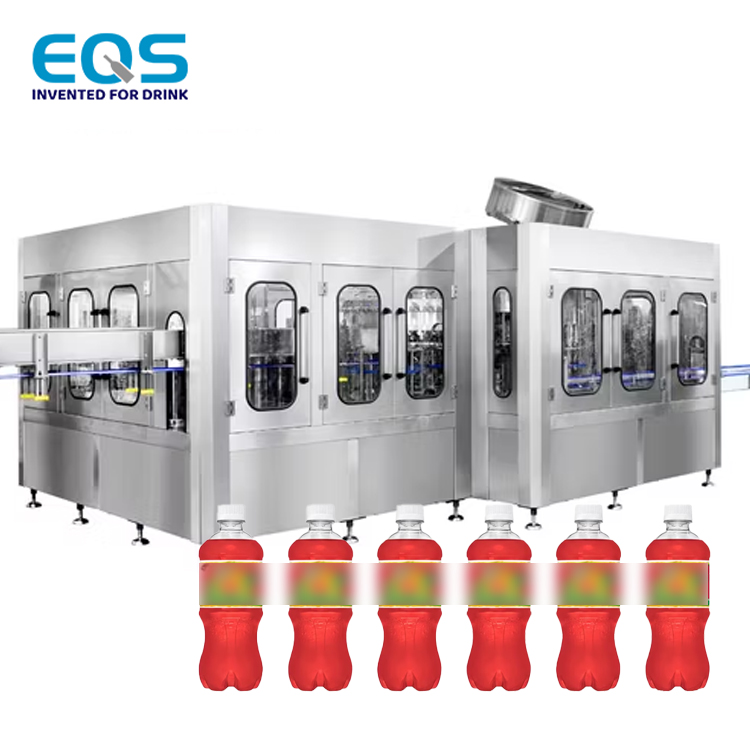
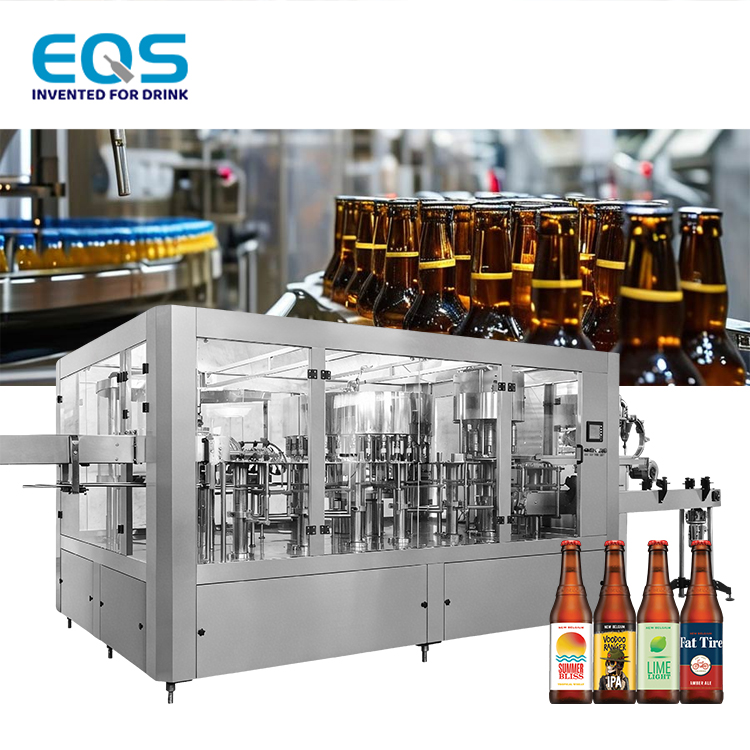
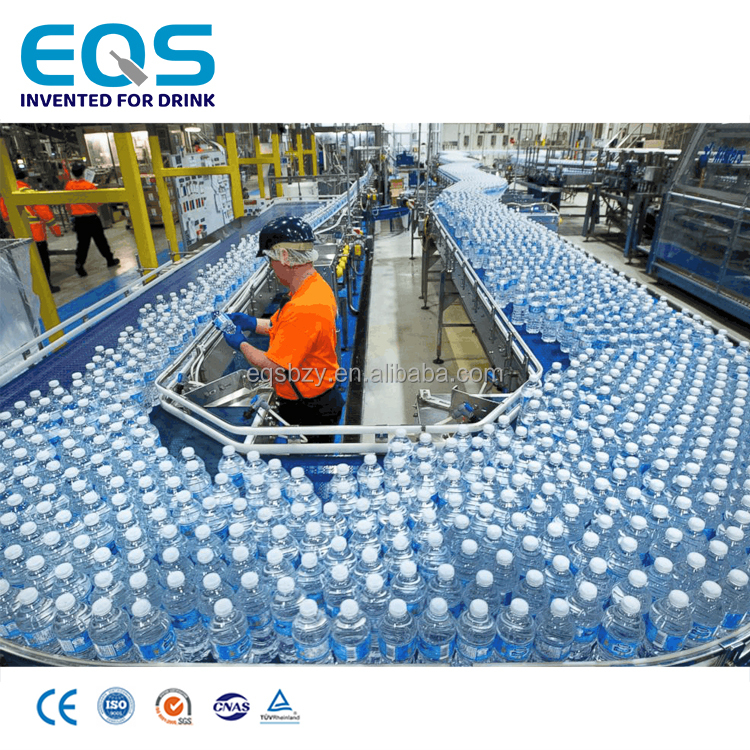
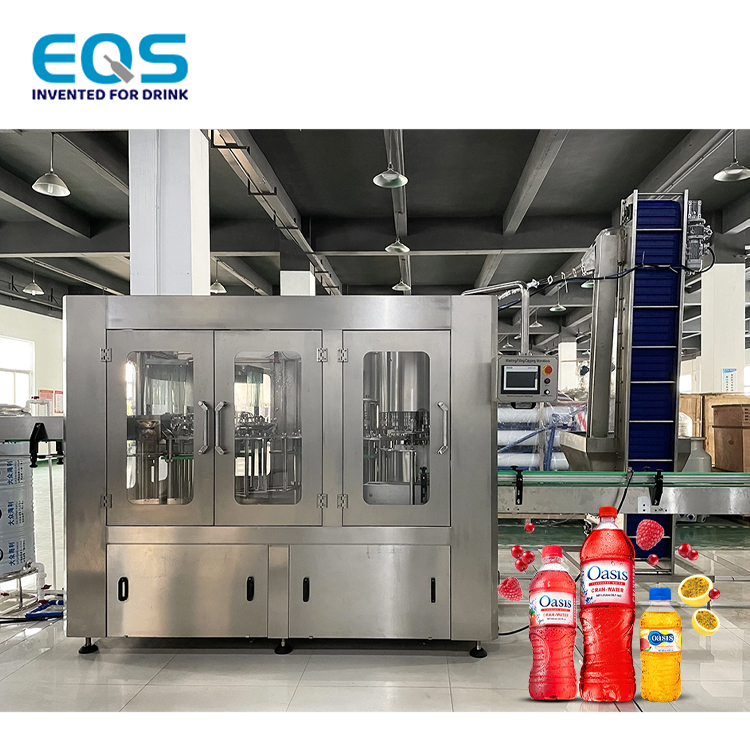
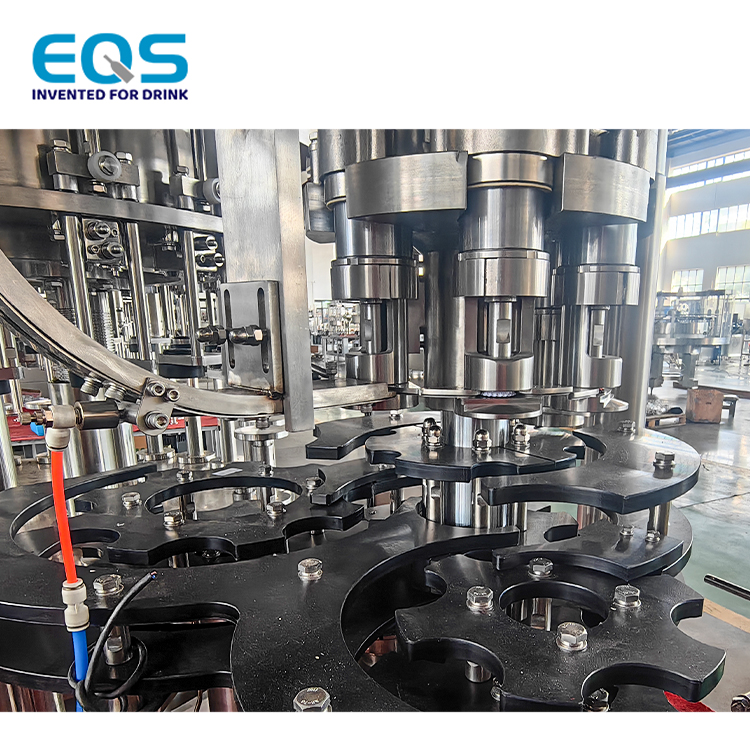
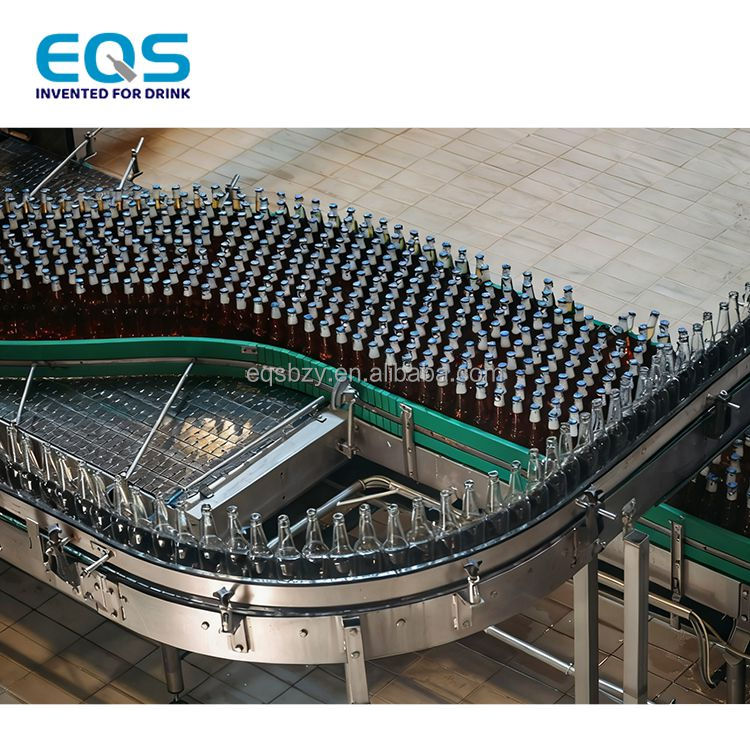
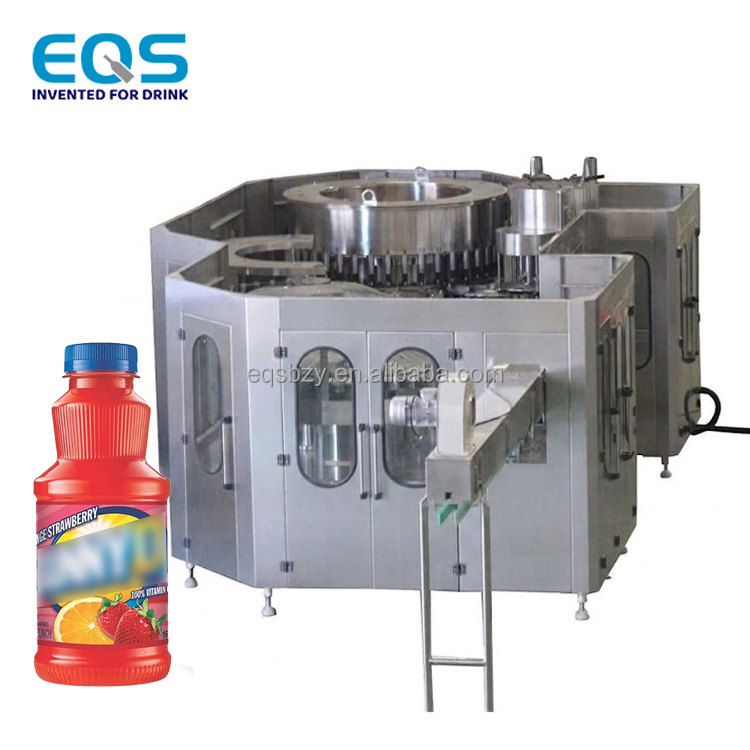
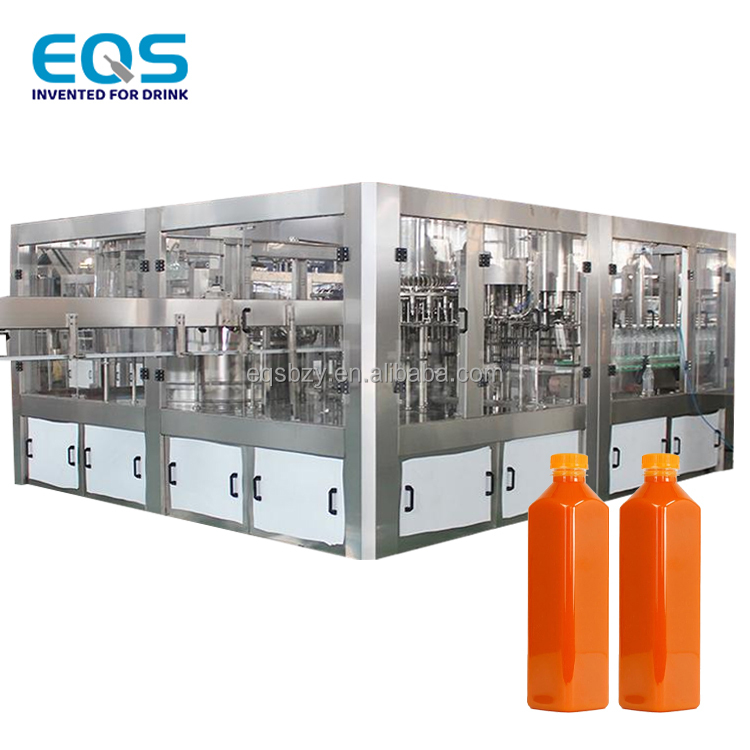
Engineering Bottling Lines for the Abuja Market
A Comprehensive Technical Whitepaper on Water Treatment, Mechanical Resilience, and Regulatory Compliance in the Federal Capital Territory
Setting up a high-output drinking water filling line or beverage manufacturing plant in Abuja—spanning industrial nodes from Idu Industrial Area and Gwagwalada to Kuje and Suleja—demands an engineering approach tailored to local hydrological and operational realities. As the administrative heart of Nigeria, Abuja presents a rapidly expanding consumer market with strict regulatory demands overseen by NAFDAC (National Agency for Food and Drug Administration and Control). Establishing a profitable bottling enterprise requires more than purchasing standalone machinery; it necessitates an end-to-end engineered system designed for raw water purification, electrical grid fluctuations, high ambient operating temperatures, and bottle structural integrity.
Key Engineering Takeaway for Abuja Plant Operators
The baseline hydrological conditions in the Federal Capital Territory vary significantly between surface water sources (e.g., Lower Usuma Dam supply) and deep crystalline bedrock boreholes. Machinery must feature customized pre-treatment filtration—incorporating manganese sand, activated carbon, and dual-stage Reverse Osmosis (RO)—to consistently meet NAFDAC micro-biological and Total Dissolved Solids (TDS) parameters without premature membrane fouling.
1. Hydrological Adaptation & Reverse Osmosis (RO) Engineering
In the Abuja region, groundwater often carries dissolved iron, variable calcium carbonate hardness, and fluctuating organic loads depending on the wet and dry seasons. Standard single-pass water treatment setups frequently suffer from rapid membrane scaling and unstable mineral counts. Our turnkey water filling lines feature multi-stage pretreatment units engineered with automatic backwash sand filters, high-iodine activated carbon beds, and precision dosing pumps for antiscalant injection.
The core Reverse Osmosis module utilizes anti-fouling Dow Filmtec or Hydranautics membranes paired with high-pressure stainless steel pumps (SS316L). This architecture guarantees TDS reduction to ideal drinking standards (50–150 ppm) while preserving essential taste profiles. For premium mineral water applications, our systems integrate secondary ozone oxidation loops combined with quartz sleeve UV sterilizers to ensure zero microbial contamination throughout the filling and storage cycle.
2. Electrical Grid Resilience & Motor Control Architecture
Industrial power supply across Abuja's manufacturing zones can experience voltage spikes, frequency drops, and sudden blackouts requiring generator synchronization. Modern bottling machines relying on basic relay controls risk frequent PLC processor lockups, phase failures, and valve misalignments under these conditions. Our machinery incorporates heavy-duty Schneider and Siemens variable frequency drives (VFDs), isolated power transformers, and surge protection modules.
By employing soft-start servo motors on the rotary washing, filling, and capping monoblocks, our systems minimize torque impact during generator switchovers. This electrical design reduces mechanical stress on gearboxes, prevents bottle jam incidents on the high-speed starwheels, and cuts total energy consumption by up to 22% compared to traditional constant-speed setups.
Localized Application Scenarios in Abuja & FCT
Customized Packaging Systems Optimized for Specific Regional Demands, Container Formats, and Operating Conditions
Idu Industrial Area: High-Capacity PET Table Water Lines
Designed for major commercial producers operating in the Idu and Karmo industrial hubs. These high-speed 3-in-1 monoblock setups (12,000 to 24,000 BPH) integrate neck-handling pneumatic conveyors, lightweight PET preform blowing, precise gravity filling valves, and auto-sleeve labeling. Features low-weight bottle handling optimized for local 350ml, 500ml, and 1.5L formats.
Central Business District & Embassies: 19L / 5-Gallon Jar Lines
Corporate offices, government ministries, and diplomatic quarters in Asokoro, Maitama, and Wuse require 3-gallon and 5-gallon refillable jars. Our specialized automatic 5-gallon washing-filling-capping production lines perform 12-stage internal/external decapping, high-pressure hot alkali washing, ozone water rinsing, precise linear filling, and automatic neck cap heat-shrinking.
Suleja & Axis Outskirts: Carbonated Drinks & Energy Drinks
Tapping into high-volume demand for affordable carbonated soft drinks (CSD) and functional energy beverages. Utilizing isobaric (counter-pressure) filling technology with integrated carbonation mixers, gas-liquid blending tanks, and cold-glycol cooling jacket lines to maintain CO2 volume ratios above 3.8x without product foaming in high ambient heat.
Technical Comparison: Filling Technologies for Nigerian Operations
| Technology Type | Target Product | Abuja Operating Advantage | Filling Precision | Hygiene Rating |
|---|---|---|---|---|
| Gravity / Normal Pressure | Still Mineral Water, Purified Water | Simple mechanical structure, minimal electronics, easily serviced by local engineers. | ±2mm liquid level | Class 100 Cleanroom Monoblock |
| Isobaric (Counter-Pressure) | CSD, Sparkling Water, Energy Drinks | Prevents CO2 degassing during filling under ambient temperatures exceeding 35°C. | ±1.5% filling volume | Enclosed SS304 Isobaric Valves |
| Hot Filling (85°C–92°C) | Natural Fruit Juices, Ice Teas | Integrated juice pasteurization loop with thermal bottle inversion for cap sterilization. | ±1mm liquid level | Sanitary CIP Circulation Loop |
| Linear 5-Gallon System | 19 Liter Office Water Jars | High-impact jet washing removes stubborn local borehole residues and algae traces. | ±0.5% volume control | Multi-stage Ozone/Alkali Jetting |
Abuja Water Packaging Market Evolution & Trends
Market Intelligence and Financial Metrics Driving Capital Equipment Decisions in Nigeria's Capital Region
The Strategic Shift from Sachets to Premium PET Bottles
Over the past decade, consumer preferences across the Federal Capital Territory have transitioned rapidly. While sachet water ("pure water") dominated low-income distribution, environmental concerns, health awareness, and rising disposable incomes in municipal Abuja have driven explosive demand for branded PET packaged water. Institutional buyers—including hotels in Central Area, private hospitals, and federal agencies—now exclusively procure certified bottled water.
Factory owners upgrading from sachet sealing machines to automated 3-in-1 PET bottled water production lines achieve significantly higher profit margins per liter. Furthermore, automated PET packaging provides superior tamper-evident sealing, extending product shelf life and opening lucrative wholesale supply routes into neighboring states like Niger, Nasarawa, and Kogi.
Optimizing Operational Expenditure (OpEx) & CapEx
For Nigerian beverage entrepreneurs, managing operational costs requires minimizing resin usage in bottle blowing and preventing liquid product giveaway. Our advanced blow molding-filling-capping combi-block systems allow plants to utilize lightweight PET preforms (down to 9.5 grams for 500ml bottles) without sacrificing bottle column strength during transit over rough road networks.
Additionally, precise magnetic flowmeter or mechanical level filling valves eliminate overfilling, saving thousands of liters of purified product daily. Combined with reduced maintenance frequency and easily accessible wear parts, plants routinely achieve full CapEx amortization within 14 to 18 months of continuous commercial operation.
Why Partner with Zhangjiagang OGVU Machinery
Global Engineering Standards, Rigorous Quality Inspections, and Dedicated On-Site Technical Support for Africa
Intertek On-Site Inspected Facilities
Our modern manufacturing plant in Zhangjiagang, Jiangsu—China's premier beverage packaging machinery hub—is independently verified on-site by Intertek. Buyers can inspect our production floor, CNC machining centers, and live line testing via real-time video audit prior to dispatch.
Turnkey Line Integration Mastery
We eliminate integration bottlenecks caused by mixing multi-vendor machinery. From raw water intake pumps and RO treatment to stretch blow molders, monoblock fillers, OPP labelers, and automatic shrink-wrap packagers, every machine component is synchronized under a unified PLC protocol.
Expatriate Field Engineers in Nigeria
We deploy senior installation engineers directly to your plant site in Abuja for foundation positioning, mechanical alignment, electrical commissioning, and local operator training. Our engineers speak English fluently and provide ongoing technical guidance.
Frequently Asked Questions (FAQ) for Abuja Bottlers
Expert Answers Addressing Regulatory Approvals, Logistics, Technical Setup, and Field Support
How do your water filling lines help us pass NAFDAC factory inspections in Abuja?
Our complete filling production lines are engineered in strict accordance with NAFDAC water facility requirements. We supply sanitary 304/316L stainless steel piping, automated CIP (Clean-In-Place) sanitation loops, closed laminar flow cleanroom hoods over the filling zones, UV lamp cap sterilizers, and complete analytical water quality test reports to ensure immediate regulatory clearance during plant audits.
What is the shipping route and transit lead time from China to Abuja?
Equipment is loaded into heavy-duty sea containers at Shanghai or Ningbo port and shipped directly to Apapa, Tincan, or Lekki Deep Sea Port in Lagos, or Onne Port in Port Harcourt. Customs clearance is handled through your designated freight forwarder, after which heavy-duty haulage trucks transport the containerized machinery via interstate express routes directly to your site in Abuja. Total transit time averages 35 to 45 days.
Can your machinery operate reliably on 3-phase diesel generators in Nigeria?
Yes. All electrical systems are configured specifically for 415V, 3-phase, 50Hz power input. Control cabinets feature built-in phase protection relays, neutral-line stabilizers, and heavy-duty VFDs designed to handle minor frequency variations (±5%) typical of industrial diesel power generators operating in remote or off-grid industrial estates.
Can a single filling machine handle multiple bottle volumes (e.g., 350ml, 500ml, 1.5L)?
Absolutely. Our rotary 3-in-1 monoblock filling machines utilize neck-handling technology for PET bottles. Changing between 350ml, 500ml, and 750ml bottles with identical neck finishes requires zero height adjustment. For 1.5L bottles, quick-change starwheels and guide rails allow complete line changeovers in less than 30 minutes.
How are replacement spare parts and routine maintenance managed?
We supply a comprehensive 2-year emergency spare parts package—including air cylinders, photoelectric sensors, seal rings, heating tubes, and solenoid valves—alongside the main machinery shipment. Standard components utilize international brands (AIRTAC, Festo, Schneider, Omron) available locally in Nigeria or dispatched via express air courier within 72 hours.