Featured High-Precision Liquid & Oil Bottling Systems
Turnkey Packaging Solutions for Kyoto Food Processing & Edible Oil Manufacturing Plants
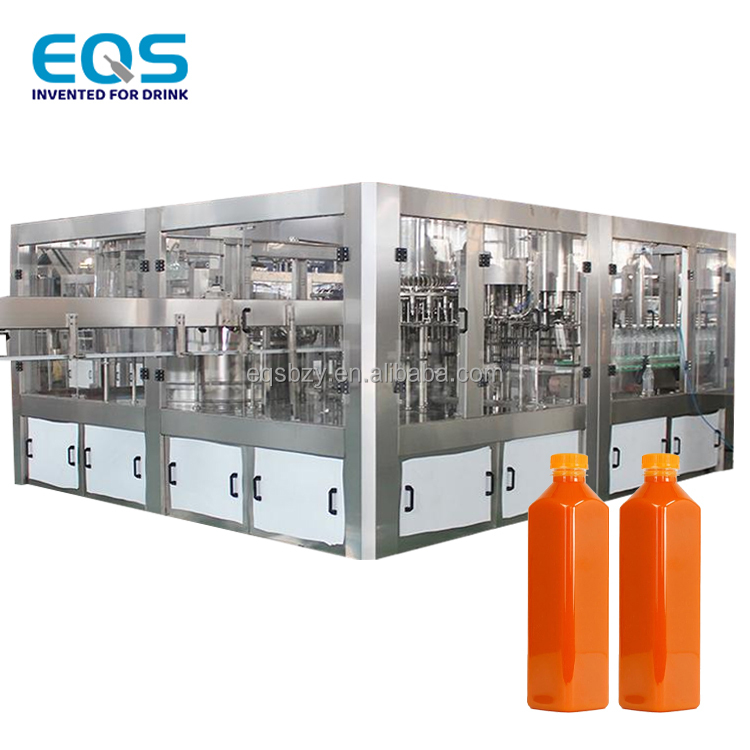
Hot Filling 4-in-1 Juice Filling Machine for Fruit Juice With Pulp PET Bottle Beverage Bottling Line
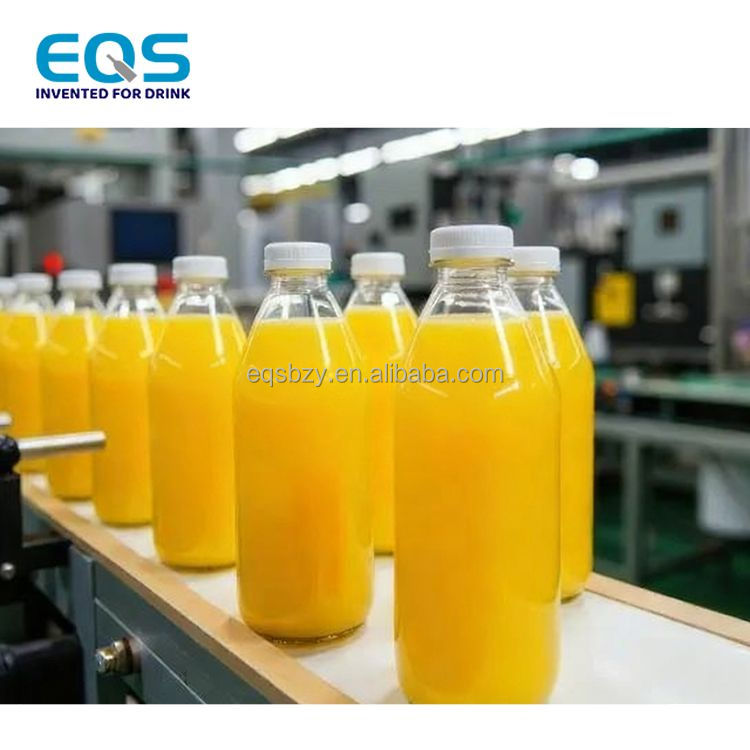
Industrial 4-in-1 Fruit Juice Filling Machine with Pulp PET Bottle Beverage Bottling Line Equipment
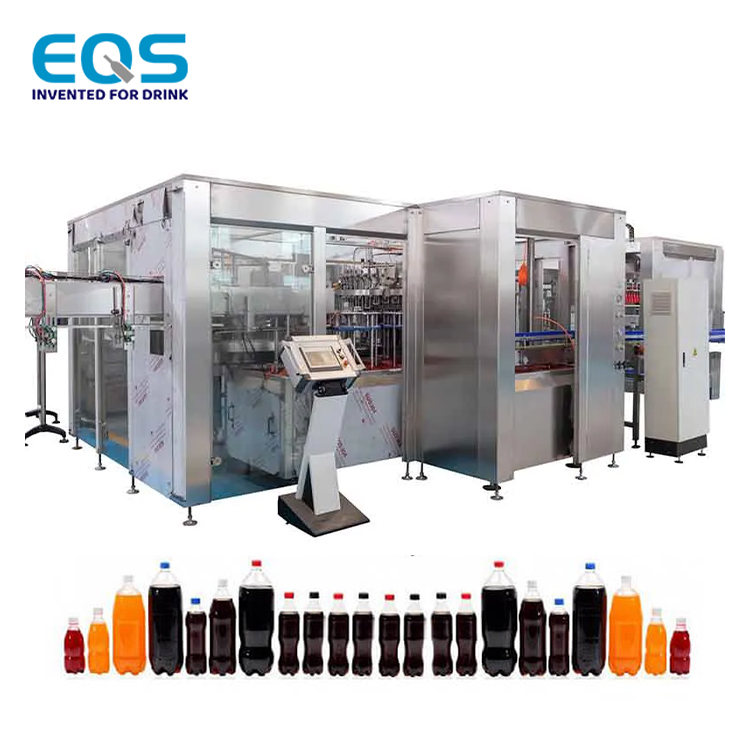
High-Speed 3-in-1 Salt Soda Filling Machine Automatic Carbonated Beverage Bottling Line Monoblock
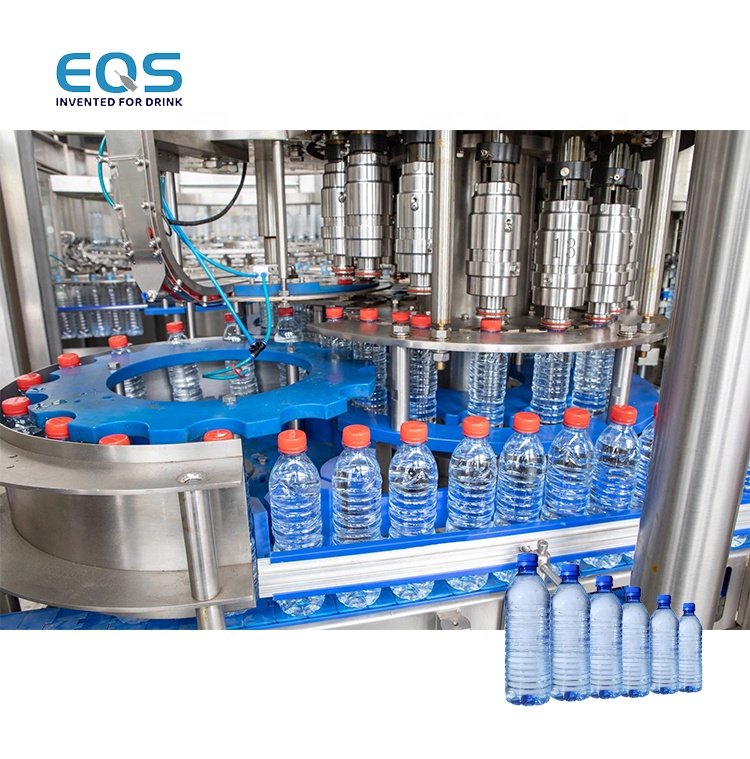
A to Z Complete Pet Bottling Production Line Automatic Mineral Pure 3 in 1 Water Filling Machine Manufacturer
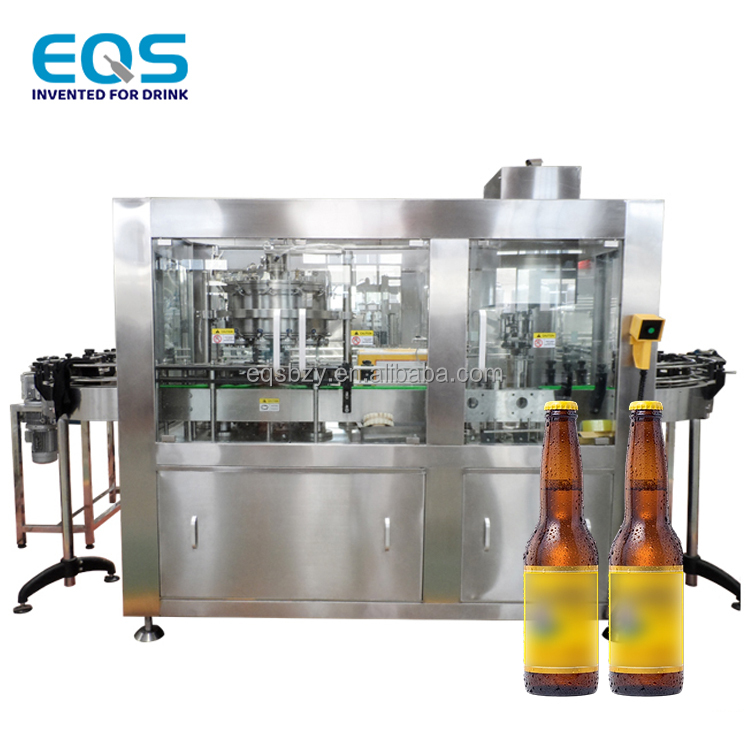
A to Z Turnkey Beer Bottling Line 7000BPH PET Bottle Beer Filling Machine with Aluminum Cap
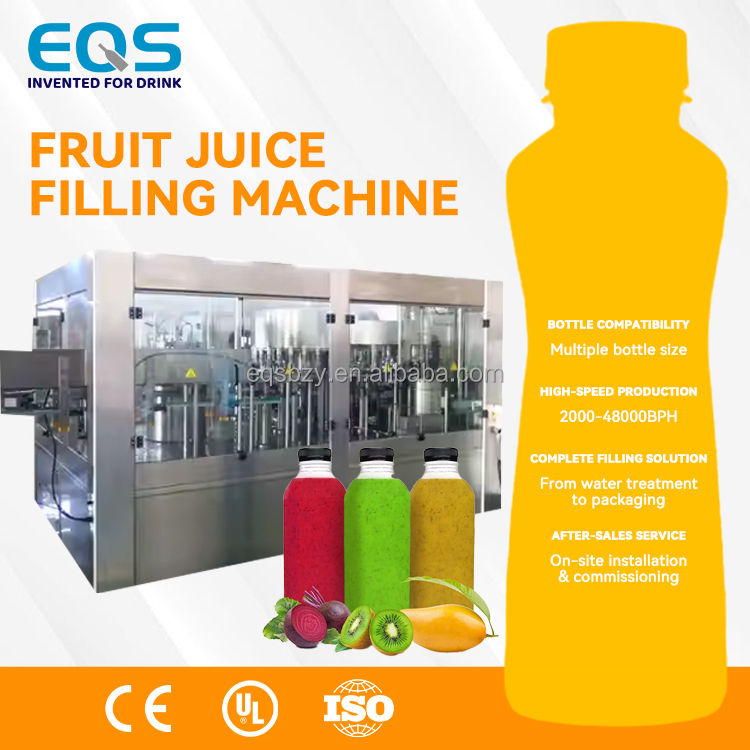
Complete 2000BPH Juice Canning Line Aluminium Can Juice Filling & Seaming Whole Line
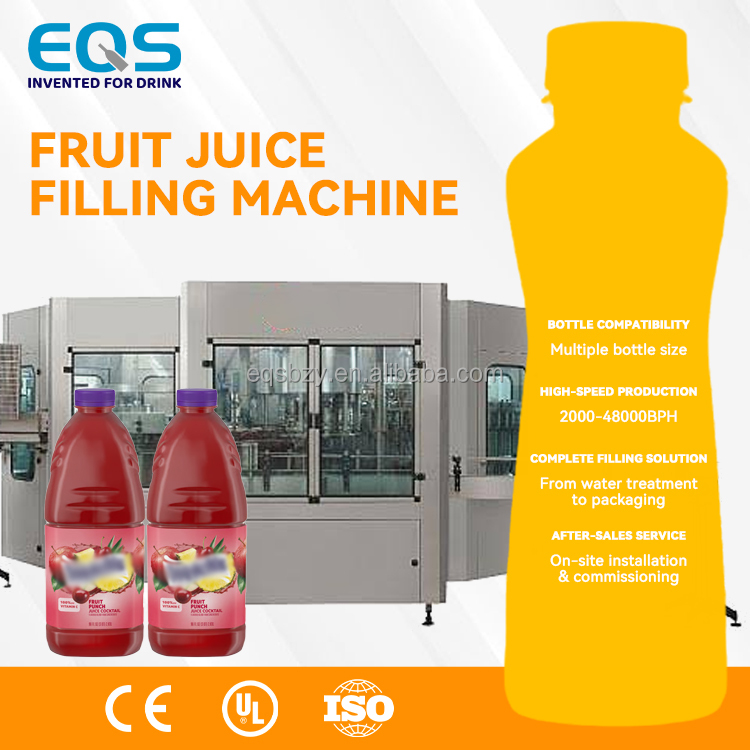
Fully Automatic Mango Juice Orange Juice Beverage Filling Machine Production Line
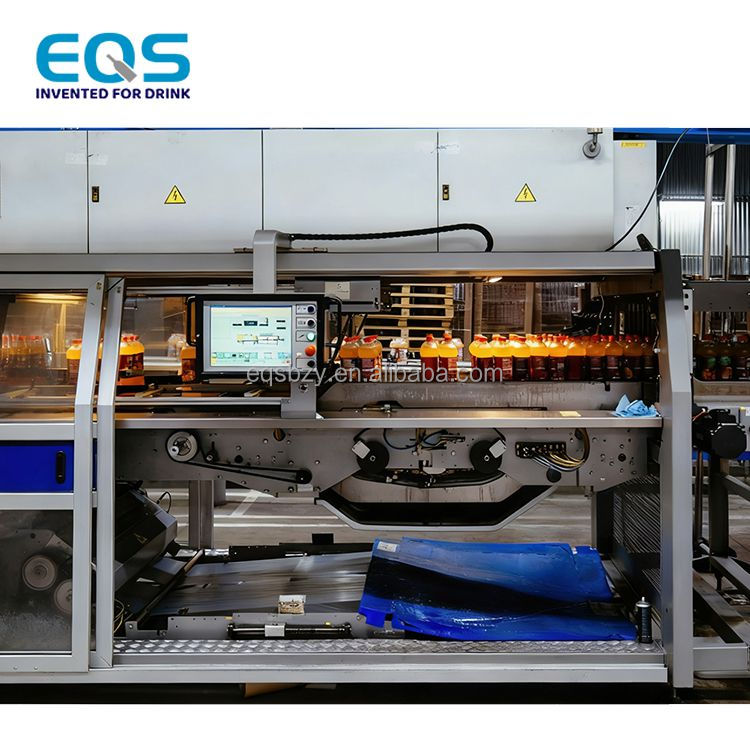
Advanced Full Set Fruit Juice Production Line From Mixing Filling to Labeling and Packing System
Engineering High-Accuracy Edible Oil Filling Systems for Kyoto & Kansai Food Manufactories
An In-Depth Industrial Guide to Viscosity Dynamics, Anti-Drip Nozzle Mechanics, Nitrogen Flushing, and Japanese Hygienic Compliance (JAS / Food Sanitation Act)
The culinary ecosystem of Kyoto and the broader Kansai region is world-renowned for its uncompromising commitment to purity, subtle flavor preservation, and strict hygienic integrity. From traditional artisanal sesame oil (goma-abura) and premium rice bran oil (kome-abura) to high-grade rapeseed oil (natane-abura) and specialty infused gourmet blends, Kyoto food processors require liquid packaging machinery that delivers extreme dosing accuracy, zero cross-contamination, and minimal product oxidation. As edible oil prices fluctuate globally, even a 0.5% overfill per container translates into tens of thousands of dollars in lost annual margin.
As a premier Chinese machinery designer and OEM exporter centered in Zhangjiagang—China’s top manufacturing cluster for beverage and liquid packaging systems—Zhangjiagang OGVU Machinery Co., Ltd. provides specialized, high-performance edible oil filling solutions tailored specifically to the requirements of Kyoto's food factories. By integrating state-of-the-art servo-driven piston displacement, mass flowmeter metering, and anti-drip cut-off nozzle technology, our systems bridge the gap between heavy-duty industrial throughput and meticulous Japanese quality standards.
Servo Piston & Flowmeter Dosing
Utilizing high-torque Schneider and Omron servo motors driving individual precision-ground pistons or Endress+Hauser Coriolis mass flowmeters, our oil fillers guarantee dosage repeatability down to ±0.2% even under shifting ambient temperatures in Kyoto winters.
Pneumatic Suck-Back Cut-Off Nozzles
Viscous edible oils suffer from tailing and lingering droplets. Our proprietary dual-stage pneumatic shut-off nozzles feature active vacuum suck-back mechanisms that eliminate dripping onto container threads, preventing label slippage and outer carton oil stains.
N2 Gas Injection for Shelf-Life
Oxidation is the primary cause of rancidity in unrefined sesame and specialty vegetable oils. Integrated liquid nitrogen or high-purity N2 gas dosing systems purge headspaces prior to capping, preserving natural aromas and satisfying Japanese long-shelf-life standards.
Edible Oil Filling Technologies Compared
Selecting the Right Metering System for Kyoto Packaging Facilities Based on Kinematic Viscosity, Container Material, and Output Targets
| Filling Technology | Ideal Viscosity Range | Filling Accuracy | Drip Prevention Level | CIP Cleanability | Kyoto Factory Suitability |
|---|---|---|---|---|---|
| Servo Piston Rotary Filler | 10 – 5,000 cP (Sesame, Olive, Crude Oil) | ±0.2% Volumetric | Dual-Stage Vacuum Suck-Back | Automated CIP Manifold | High-Speed PET / Glass Bottling (4,000 - 12,000 BPH) |
| Mass Flowmeter (Coriolis) | 1 – 2,000 cP (Soybean, Rapeseed, Blends) | ±0.1% Mass-Based | Pneumatic Bottom-Up Nozzle | Full Steam / CIP Sterile Wash | Flexible Multi-Format Glass & Tinplate Lines |
| Linear Net-Weight (Load Cell) | 50 – 10,000 cP (Heavy Blends, Lard, Oil) | ±1 Gram (Net) | Drip-Tray Catch Mechanism | Manual / Semi-CIP Flush | Large Jugs, 5L Jars, & Industrial Jerrycans |
| Gravity Vacuum Overflow | 1 – 100 cP (Thin Condiment Liquids) | Fixed Level Height | Standard Mechanical Cut-off | Standard Water CIP | Rigid Glass Bottles (Level Consistency) |
Localized Application Scenarios in Kyoto & Kansai Region
Addressing the Distinct Operational and Regulatory Challenges of Food Factories Across Kyoto Prefecture
Scenario A: Artisanal Sesame & Rice Bran Oil Bottling in Kyoto Heritage Facilities
Historical oil mills in Fushimi and Southern Kyoto specialize in premium, cold-pressed sesame oil and unrefined rice bran oil bottled in iconic 180ml, 300ml, and 500ml dark amber glass containers. These traditional facilities require compact equipment footprints that fit within legacy plant layouts while providing rigorous oxygen removal.
- Bottom-up submerged filling nozzles prevent surface foam generation during filling.
- In-line headspace N2 flushing drops residual oxygen levels below 0.5% prior to capping.
- Monoblock rotary glass handling with non-marring starwheels protects decorative Japanese glass bottles.
- Customized electrics supporting Japanese dual voltage standards (200V / 3-Phase / 50Hz-60Hz).
Scenario B: High-Speed Commercial Vegetable & Rapeseed Oil Packaging
Large-scale food ingredient suppliers servicing Kansai's hotel, restaurant, and institutional (HRI) supply chain run high-capacity lines for 1L to 5L PET bottles equipped with molded carrying handles and tamper-evident press-on spouts.
- Integrated bottle-blowing-filling-capping combi-blocks reduce space requirements by 30%.
- Servo-controlled capping heads apply precise torque to prevent strip-threading on lightweight PET spouts.
- Zero-drip drip-collecting trays automatically position under nozzles during conveyor pauses.
- High-speed vision inspection systems check fill level, cap tilt, and barcode integrity at 8,000+ BPH.
Market Evolution & Sustainable Bottling Trends in Kyoto
Key Technical Shifts Influencing B2B Machinery Investments in Japan’s Culinary Hub
1. Transition to Eco-Friendly PET & Ultra-Thin Glass
Driven by Japan’s stringent Containers and Packaging Recycling Law, Kyoto bottlers are shifting toward lightweight PET preforms and thin-walled glass. Our advanced neck-handling rotary monoblocks eliminate container crushing forces, ensuring flawless bottle transport.
2. Rapid Recipe Changeovers for Multi-SKU Plants
Kyoto producers frequently shift lines between dark sesame oil, roasted chili oil (rayu), and clear vegetable oils. OGVU machines feature touch-screen PLC recipe storage (up to 100 SKUs) and toolless quick-change starwheels, reducing CIP and format changeover down to under 20 minutes.
3. Rigorous Hygienic Clean-In-Place (CIP) Standards
In alignment with Japanese Food Sanitation Act requirements, our liquid contact pathways are fabricated exclusively from certified SUS316L stainless steel with mirror-polished internal roughness (Ra < 0.4μm) to prevent oil residue buildup and micro-bacterial stagnation.
Why Leading Global Bottlers Partner with Zhangjiagang OGVU Machinery
Combining World-Class Manufacturing Precision, Intertek On-Site Verification, and Comprehensive Turnkey Support
11+ Years Alibaba Verified Exporter
With more than a decade of continuous export excellence, our machinery operations and workshop facilities have been independently audited on-site by Intertek, giving overseas buyers complete transactional transparent confidence.
Tier-1 Global Component Integration
We do not compromise on core electronics. Every line incorporates Siemens or Mitsubishi PLCs, Weinview color touchscreens, Schneider contactors, Omron sensors, and Airtac/Festo pneumatic cylinders for long-term reliability.
Rigorous Pre-Shipment FAT Testing
Prior to dispatch to Kobe or Osaka ports, every machine undergoes a strict 48-hour continuous Factory Acceptance Test (FAT) utilizing oil viscosity simulators to verify dosing accuracy, torque consistency, and zero leakage.
Frequently Asked Questions by Japanese & Kyoto Plant Managers
Direct Answers to Engineering, Compliance, Logistics, and Service Inquiries
Request Your Customized Edible Oil Bottling Line Proposal
Send us your container dimensions, target oil viscosity, and required speed (BPH)—our senior engineering team will generate a comprehensive plant layout drawing and formal quote within 24 hours.