Featured Bottling & Packaging Machines for Shiraz Producers
Engineered for high viscosity oils, artisanal spirits, juices, and purified process water. Select a system to review technical specifications or request custom engineering quotes.
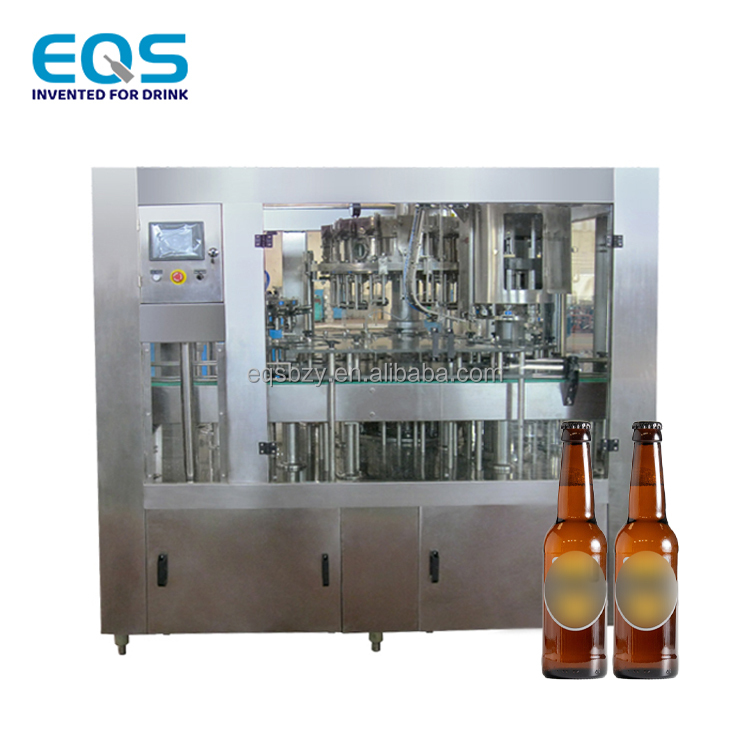
Complete PET Bottle Beer & Oil Isobaric Bottling Plant 7000BPH
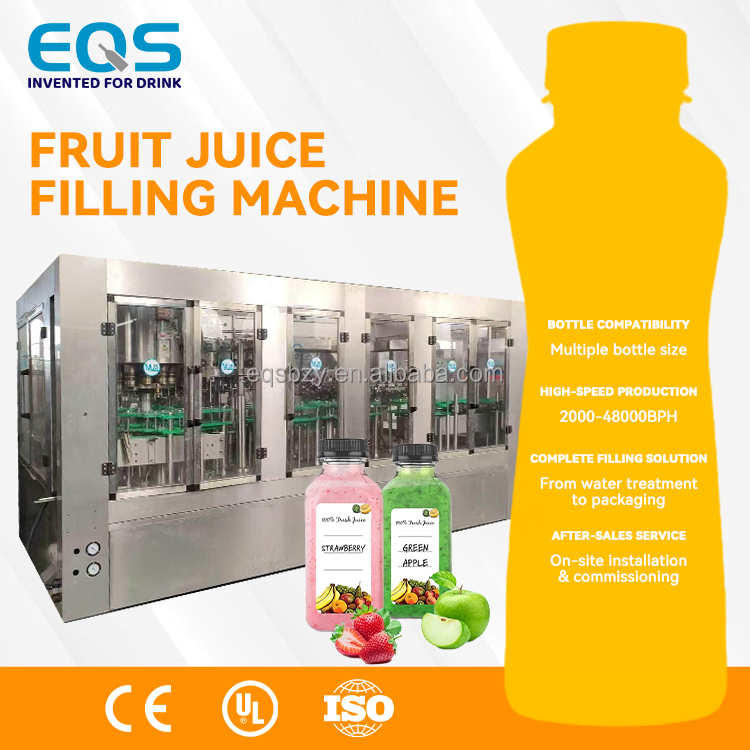
Automatic 20000BPH High Speed Glass Bottle Monoblock
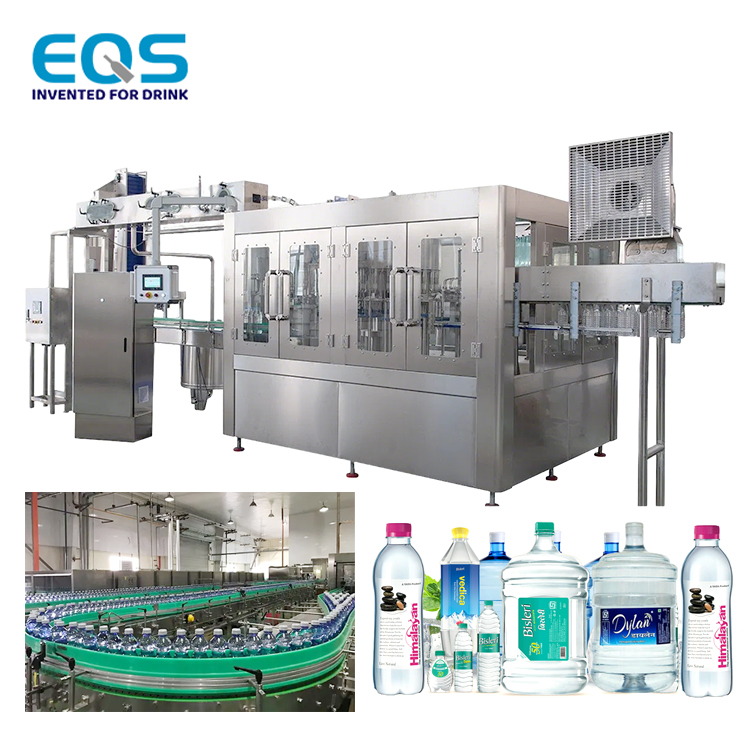
Advanced Process Water Treatment & Automatic Filling System
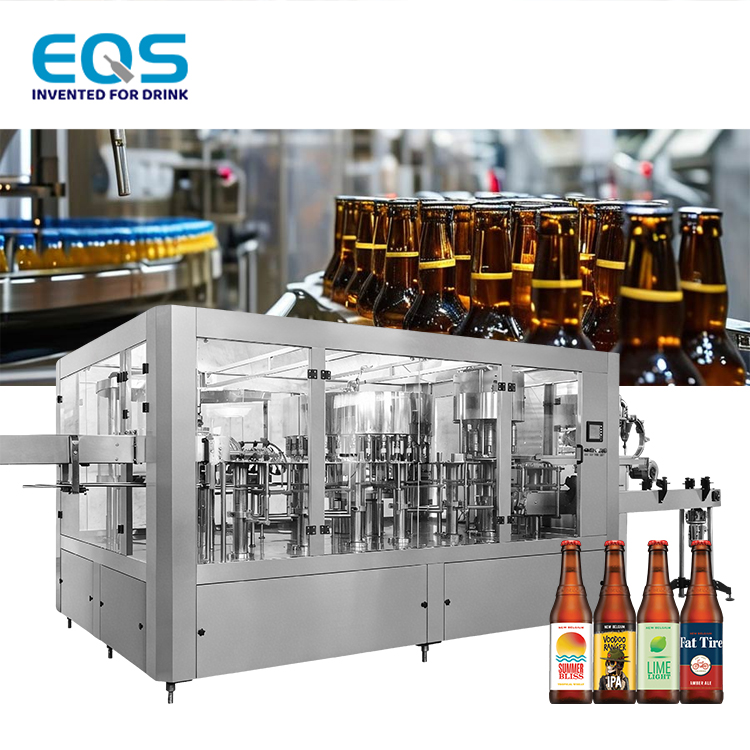
Automatic Rotary 3-in-1 Glass Bottle Bottling Machine
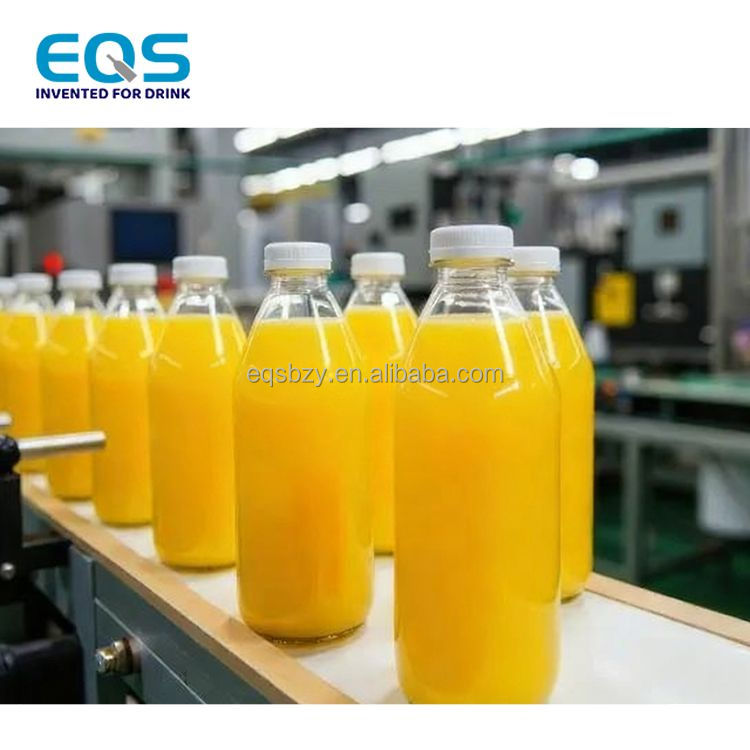
Industrial 4-in-1 Pulp, Viscous Juice & Oil Bottling Line
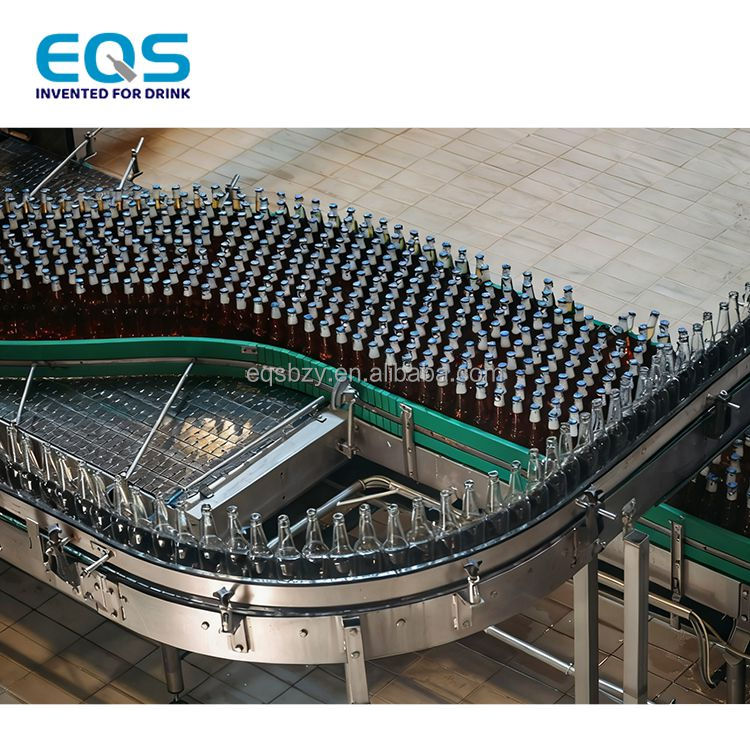
Precision PLC-Controlled Vacuum Filling Line (Low Failure Rate)
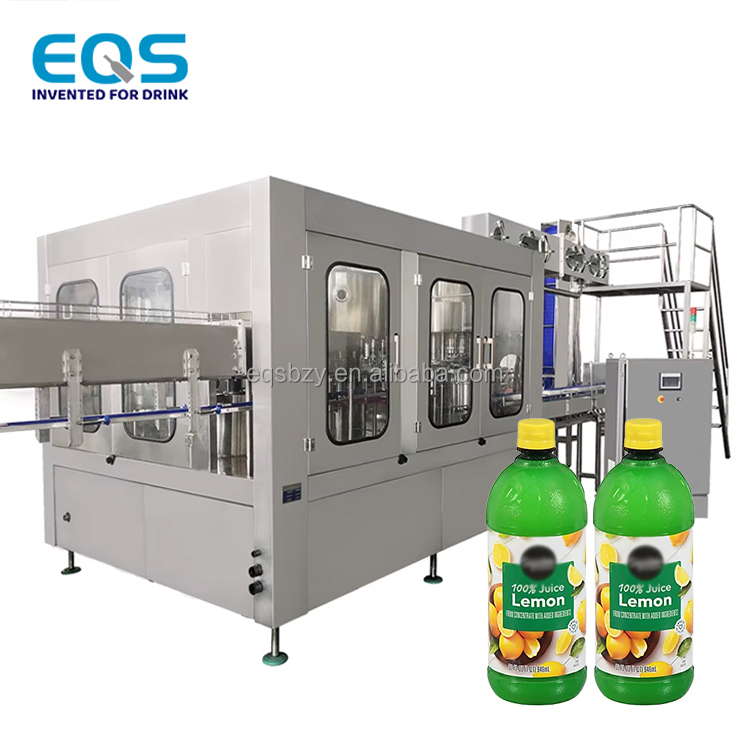
Turnkey 4-in-1 Viscous Liquid PET Bottle Bottling Equipment
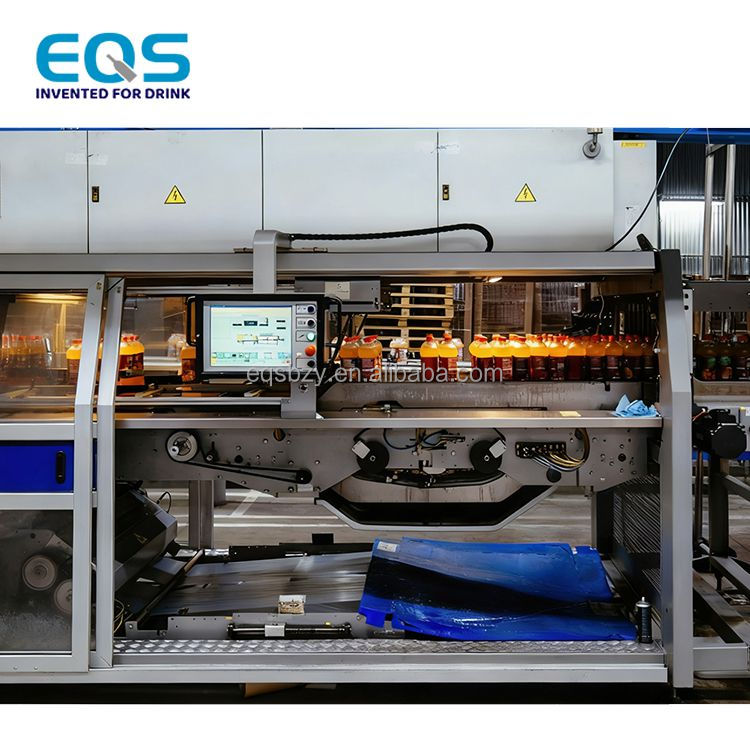
Advanced Full Set Liquid Production & Packaging Line
Technical Whitepaper: Engineering Olive Oil Bottling Lines for the Shiraz & Fars Market
The Fars province, anchored by the historical and agricultural hub of Shiraz, represents one of the Middle East's most distinct microclimates for olive cultivation and edible oil processing. Local olive pressers and commercial bottlers face unique physical challenges dictated by high ambient summer temperatures, varying oil viscosity indices, and demanding export specifications for both regional and Eurasian trade routes. As a premier wholesale machinery supplier, our specialized olive oil filling machines are engineered to resolve the exact physical and chemical vulnerabilities of Extra Virgin Olive Oil (EVOO) during the high-speed filling process.
1. Navigating Viscosity Dynamics Across Ambient Thermal Variations
Olive oil exhibits non-Newtonian fluid characteristics when subjected to changing process temperatures. In Shiraz bottling plants, ambient temperatures can fluctuate dramatically between early morning processing hours and mid-day heat. At 20°C, typical virgin olive oil exhibits a dynamic viscosity of approximately 60 to 80 centipoise (cP). If unmanaged, this viscosity change disrupts conventional gravity or overflow filling systems, causing severe volumetric fill fluctuations, foaming, and neck-coating.
Our industrial-grade olive oil filling systems utilize positive-displacement servo-driven piston pumps or electronic mass flow meters (load-cell gravimetric fillers). By decouplng fluid movement from gravity dependencies, the system delivers an ultra-precise volumetric tolerance of ±0.2%, regardless of whether the oil is cold-pressed at 18°C or stored in temperature-controlled holding tanks at 28°C.
Key Technical Insight: Standard liquid fillers designed for water or low-viscosity beverages fail in olive oil applications because they generate shear stress and micro-foaming. Our anti-drip, bottom-up filling nozzles submerged beneath the fluid surface eliminate aeration and prevent lip contamination on dark glass Marasca or Dorica bottles.
2. Preventing Oxidation: Nitrogen Inert Gas Sparging Systems
The hallmark of premium Shiraz olive oil is its low free fatty acid (FFA) content and pristine peroxide value. However, exposure to atmospheric oxygen during the filling phase accelerates photo-oxidation and rancidity, severely degrading shelf life. Our automated filling monoblocks incorporate a dual-stage Nitrogen ($N_2$) purge sequence:
- Pre-Fill De-aeration: The empty glass container or PET bottle is evacuated and flushed with high-purity food-grade nitrogen gas to displace ambient air prior to oil injection.
- Post-Fill Headspace Dosing: Immediately after the oil level reaches target volume, a precise dose of liquid or gaseous nitrogen is injected into the container neck prior to mechanical capping.
This process reduces residual oxygen in the container headspace to under 0.5%, preserving polyphenols, aromatic volatile compounds, and the characteristic peppery finish of Shiraz olives throughout extended distribution cycles.
Drip-Free Vacuum Cutoff
Pneumatic shut-off nozzles featuring vacuum suck-back technology prevent oil droplets from dirtying bottle threads or outer labeling surfaces.
316L Sanitary Construction
All product-contact fluid channels, valves, and manifold lines are fabricated from food-grade AISI 316L stainless steel with mirror polish finish.
Multi-Format Capping Flexibility
Seamlessly integrates non-refillable plastic pourer caps, ROPP aluminum screw caps, or wooden-topped corks tailored for high-end boutique bottles.
Localized Application Scenarios in Fars Province & Shiraz Industrial Zones
As industrial agricultural estates across Fars Province modernize, the transition from decentralized manual oil pressing to high-throughput centralized bottling complexes has created intense demand for scalable, robust packaging equipment. Local processors operating in regions such as Kazeroon, Fasa, and the outskirts of Shiraz require versatile bottling infrastructure capable of accommodating diverse packaging substrates.
1. Premium Glass Bottling (250ml to 1000ml Marasca & Dorica Containers)
For high-tier extra virgin olive oil designated for luxury domestic markets and export into Gulf Cooperation Council (GCC) countries, dark green or amber glass containers remain the industry benchmark. Our monoblock equipment utilizes soft-touch starwheel indexing and cushioned bottle-lifting pedestals to prevent container breakage, shock, or scuffing on delicate dark coatings. Integrated cap-sterilization tunnels ensure zero micro-biological contamination prior to hermetic sealing.
2. Bulk PET and Commercial Container Lines (1 Liter to 5 Liters)
Commercial culinary suppliers, hotels, and institutional distributors in Shiraz rely heavily on 1L to 5L PET bottles and rectangular tinplate cans. Our heavy-duty weighing-type filling machines feature high-speed dual-stage filling flow (fast bulk fill followed by micro-drip precision top-off). This guarantees maximum line output without liquid splatter, ensuring compliance with strict net-weight commercial trade regulations.
Technical Comparison & System Specification Matrix
Selecting the optimal filling architecture depends on your target hourly output, container material, and oil viscosity requirements. The matrix below outlines our standard wholesale model configurations for the Shiraz market:
| Model Series | Filling Principle | Speed (BPH - 500ml) | Dosing Precision | Container Compatibility |
|---|---|---|---|---|
| OGVU-O-SERVO | Servo Rotary Piston | 2,000 – 8,000 BPH | ±0.15% Volumetric | Glass Marasca/Dorica, PET (250ml - 1L) |
| OGVU-O-WEIGHT | Load-Cell Gravimetric | 1,000 – 4,000 BPH | ±0.1% Net Weight | Large PET, Tinplate Cans (1L - 5L) |
| OGVU-O-VACUUM | Low-Vacuum Anti-Drip | 3,000 – 12,000 BPH | ±0.25% Level Fill | Standard Rigid Glass Bottles |
| OGVU-O-MONOBLOCK | 3-in-1 Rinse-Fill-Cap | 4,000 – 15,000 BPH | ±0.2% Volumetric | PET & Glass Bottling Lines |
Enterprise Advantage: Why Shiraz Bottlers Partner with Our Machinery
Zhangjiagang OGVU Machinery Co., Ltd. stands out as an established manufacturing and exporting leader in liquid packaging technology. With over 11 years of direct trade history, verified on-site facility inspections by independent agencies like Intertek, and extensive engineering deployments across Asia, Europe, and the Middle East, we provide Shiraz clients with unparalleled commercial security and technical execution.
1. Turnkey Line Engineering & Custom Factory Layouts
We do not merely export isolated machinery. Our experienced mechanical engineers design end-to-end turnkey layouts tailored to your exact workshop dimensions in Shiraz. From raw water treatment reverse osmosis (RO) systems to automatic bottle blowing, thermal oil processing, rotary filling monoblocks, sleeve or OPP labeling, and automated shrink-wrap case packing, every station is synchronized to run at identical cycle speeds to eradicate bottlenecks.
2. Comprehensive Overseas Technical Commissioning & Spare Parts Dispatch
We solve the post-purchase support anxiety common in international machine procurement. Our dedicated field engineers offer on-site installation, system fine-tuning, and multilingual operator training (English, Russian, Spanish, and regional support). Furthermore, we maintain a complete inventory of standardized PLC components (Siemens, Schneider, Omron), pneumatic valves (Festo, Airtac), and mechanical seals for immediate dispatch, ensuring zero unexpected operational downtime during peak olive harvest seasons.
Shiraz Buyer Guide & Technical FAQ
Common questions answered by our chief engineering team regarding machinery installation, maintenance, and fluid management in Fars Province.
Our servo-driven volumetric piston systems utilize high-torque Siemens servo motors that maintain precise displacement speed regardless of fluid viscosity shifts. For plants without climate control, we offer optional jacketed, temperature-regulated buffer tanks with gentle agitation to keep the oil at its optimal liquid viscosity (22°C–25°C) during filling without altering chemical or sensory attributes.
Yes. Our versatile filling monoblocks are designed with quick-change format parts (starwheels, neck guides, and height adjustment screws). Operators can transition from 500ml glass Dorica bottles with ROPP caps to 1L PET bottles with plastic screw caps in under 30 minutes with minimal tool requirements.
Unlike beverage fillers cleaned with water rinsing, water residue in olive oil lines causes rapid hydrolysis and cloudiness. Our oil filling machines feature an automated closed-loop Clean-In-Place (CIP) manifold that uses food-grade hot oil flushing followed by air-purge drying, or specialized food-grade alcohol sanitization cycles to guarantee complete hygienic safety without water contamination.
Absolutely. All control cabinets, motors, and heating elements are custom-built to match your factory's exact local power grid supply (typically 380V, 3-Phase, 50Hz). Electrical components feature tropicalized insulation and heavy-duty voltage stabilization options to withstand regional power fluctuations.
The filling monoblock incorporates precision solenoid gas injectors synchronized with the bottle sensor. An initial nitrogen pulse flushes ambient oxygen from the empty bottle, and a secondary controlled dose flushes the liquid surface in the neck right before the capping head descends. This maintains an oxygen-free barrier inside the sealed container.
Standard manufacturing time ranges between 30 to 45 working days following layout approval and bottle sample validation. Shipping to Iranian ports (such as Bandar Abbas) via sea freight typically takes 15 to 22 days, followed by land transit to your factory in Shiraz. Our technical team coordinates factory acceptance testing (FAT) via live video before dispatch.
Ready to Upgrade Your Olive Oil Bottling Plant in Shiraz?
Contact our senior engineering directors today to receive a complete line proposal, factory layout drawing, and competitive wholesale price breakdown tailored to your production targets.