Industrial Water Treatment & Turnkey Bottling Lines
Engineered for high-precision operations, strict sanitation, and compact footprints across the Greater Tokyo Metropolitan Area.
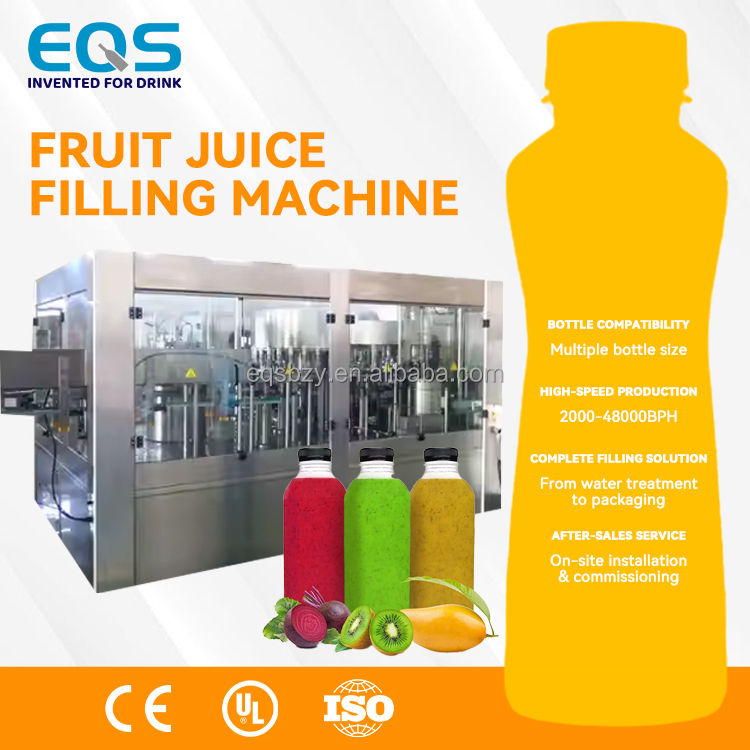
Complete 2000BPH Juice Canning Line Aluminium Can Juice Filling & Seaming Whole Line
View Product Details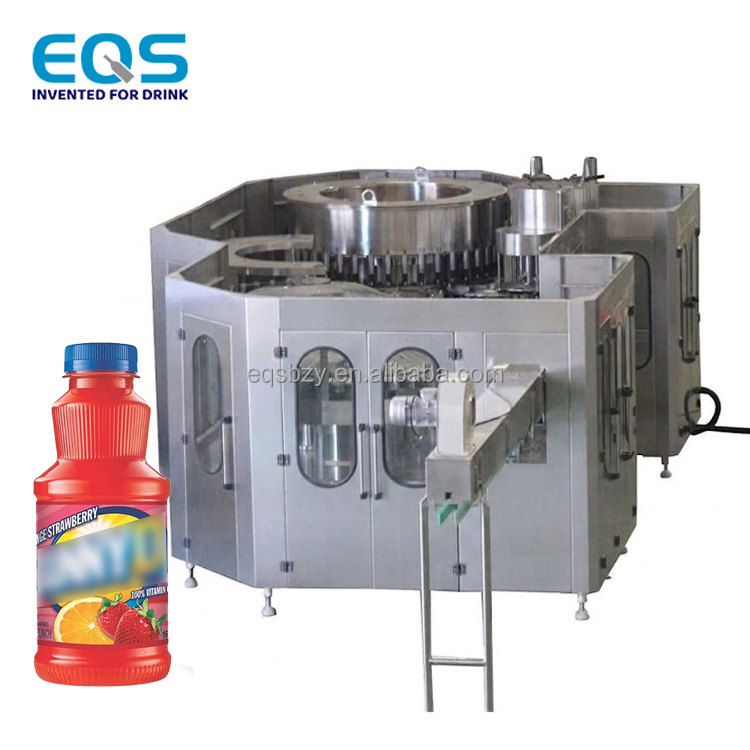
Complete 4-in-1 Fruit Pulp Juice Bottling Line Automatic PET Beverage Filling Machine Equipment
View Product Details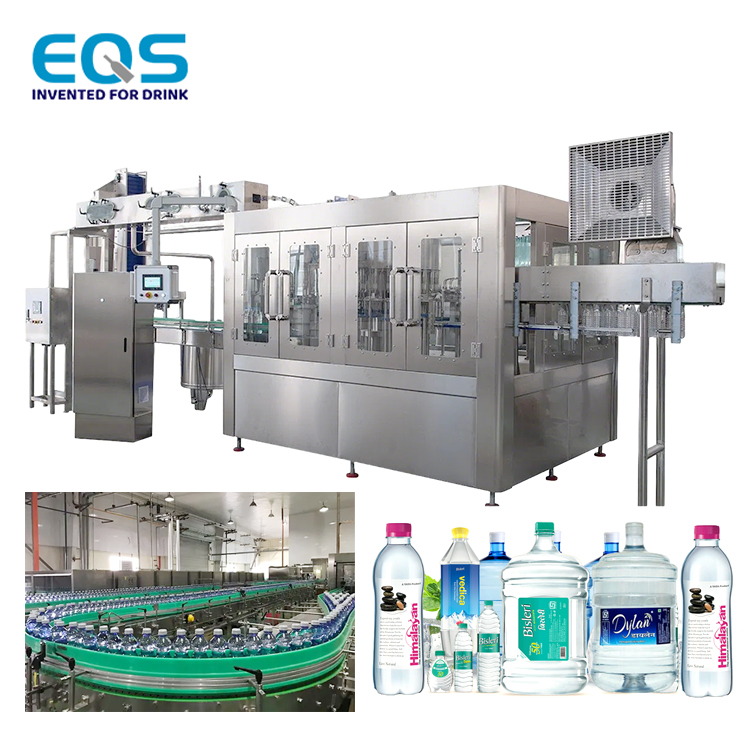
Advanced Water Treatment System with Automatic Filling Line for Pure Mineral Water Production
View Product Details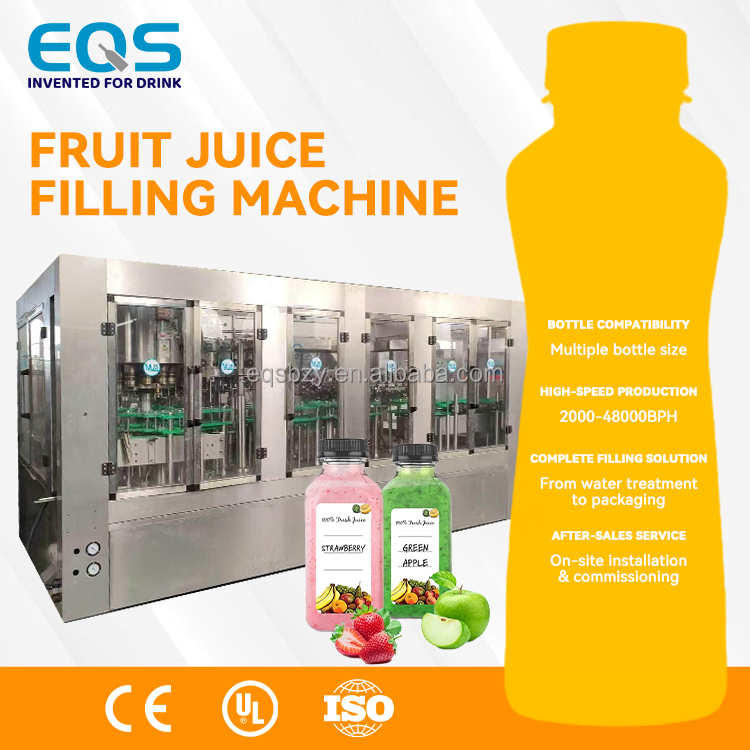
Automatic 20000BPH High Speed Glass Bottle Hot Filling Washing Filling Capping Monoblock for Fruit Juice Tea Drinks
View Product Details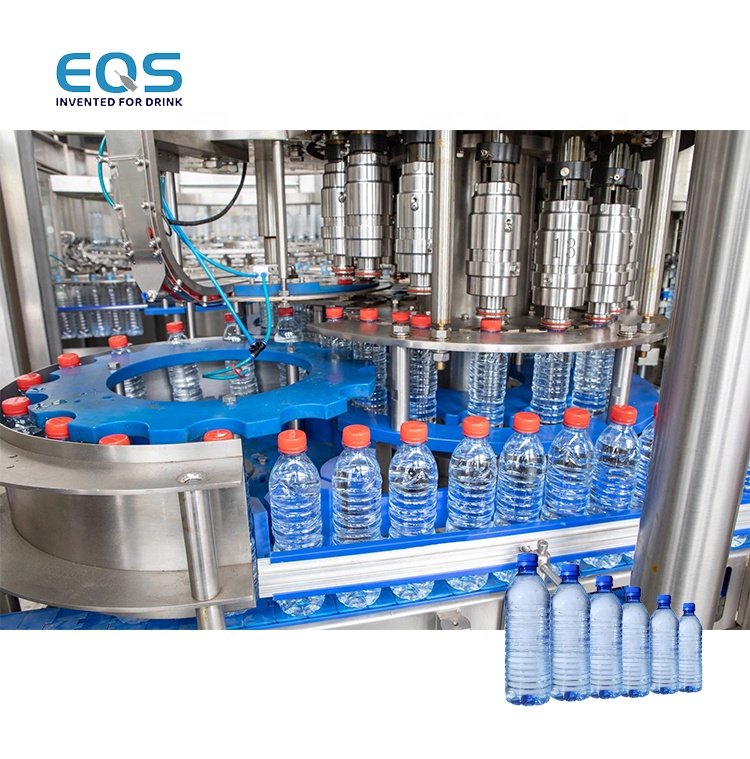
A to Z Complete Pet Bottling Production Line Automatic Mineral Pure 3 in 1 Water Filling Machine Manufacturer
View Product Details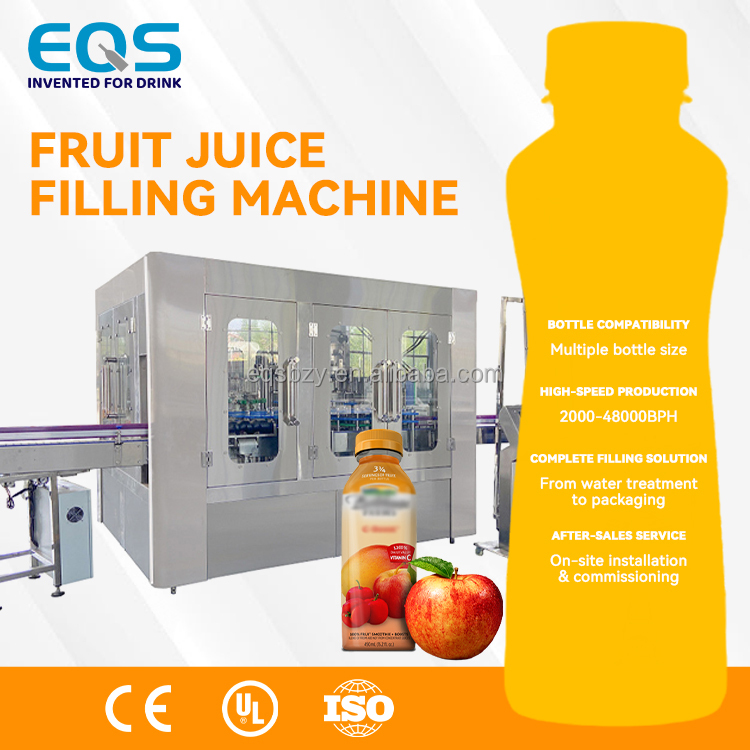
A to Z Automatic Hot Filling Bottling Capping Machine Juice Beverage Production Equipment
View Product Details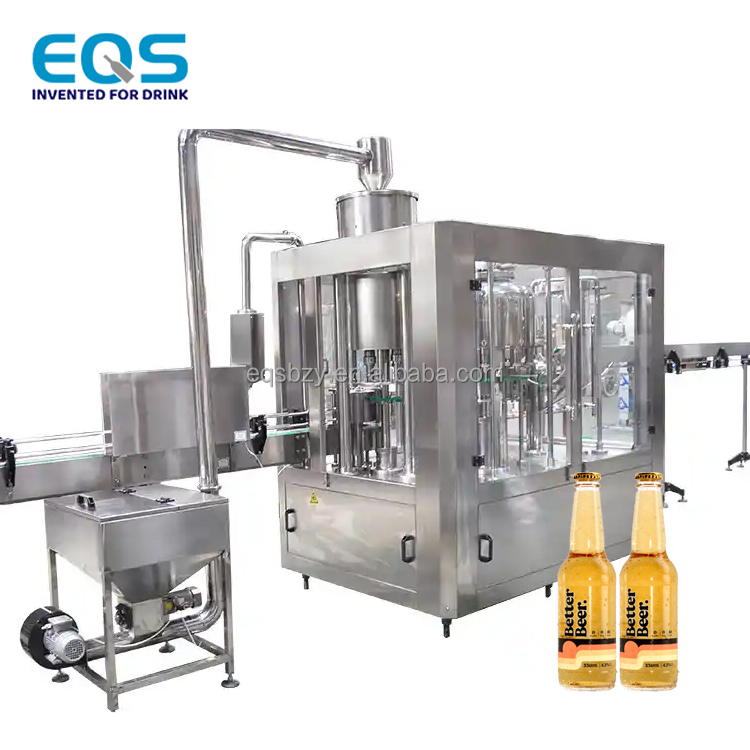
Turnkey PET Bottle Beer Filling Production Line 4000 6000 8000 BPH Complete Beverage Bottling Equipment
View Product Details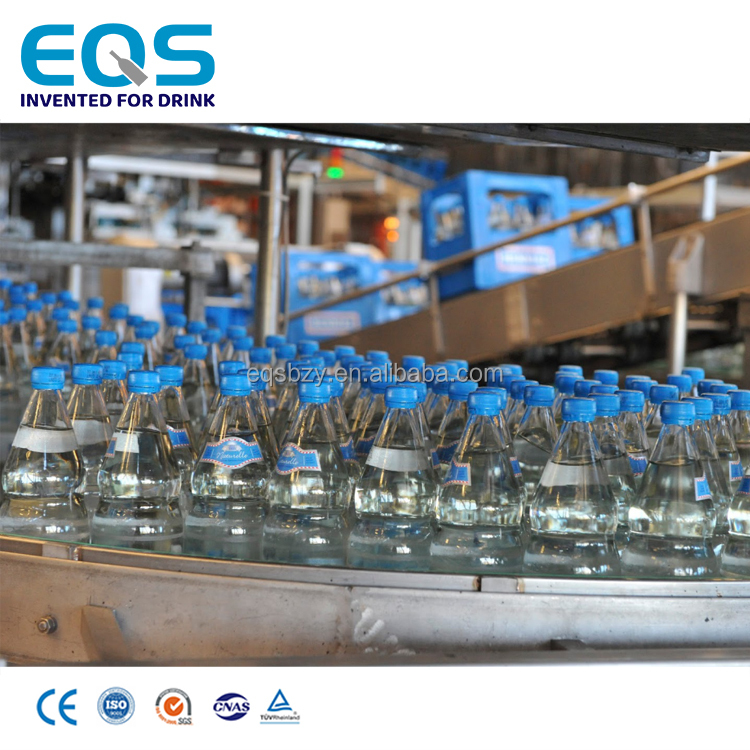
Premium Complete PET Bottle Water Bottling Production Line Filling Labeling Wrapping Case Packing
View Product DetailsEngineering Clean Water Excellence: Comprehensive Water Treatment Wholesaler Analysis for the Greater Tokyo Market
Navigating the complex landscape of industrial and commercial water treatment in the Greater Tokyo Area requires an acute understanding of local regulatory directives, environmental factors, and precise municipal water quality benchmarks. As one of the world's most densely populated metropolitan regions, Tokyo presents unique engineering demands. Water filtration, reverse osmosis (RO), and ultrafiltration (UF) systems must not only comply with the stringent Japanese Ministry of Health, Labour and Welfare (MHLW) Water Quality Ordinance No. 101 standards, but also overcome severe urban spatial constraints, micro-pollutant challenges, and strict seismic resilience frameworks under Japanese Industrial Standards (JIS).
1. Raw Water Characteristics & Filtration Challenges in Tokyo
While Tokyo's public water supply managed by the Tokyo Metropolitan Waterworks Bureau is among the safest globally for drinking, industrial applications—such as craft beverage production, semiconductor fabrication, commercial steam boilers, and high-end culinary processing—require far more purified or customized mineral profiles. Raw municipal tap water in Tokyo typically contains:
- Total Dissolved Solids (TDS): Averaging between 80 to 160 mg/L, subject to heavy rain spikes.
- Reactive Dissolved Silica ($SiO_2$): Ranging from 15 to 35 mg/L. High silica concentrations can cause irreversible membrane fouling on standard RO systems if anti-scalants and secondary ultrafiltration stages are omitted.
- Residual Chlorine and Chloramines: Ranging from 0.4 to 1.0 mg/L at municipal delivery points, requiring granular activated carbon (GAC) beds with guaranteed iodine numbers above 1000 mg/g to prevent oxidative degradation of polyamide reverse osmosis membranes.
- Emerging Micro-Pollutants: Increasing scrutiny on Per- and Polyfluoroalkyl Substances (PFAS/PFOA) in ground and river water across Japan requires specialized ion exchange and activated carbon polishers capable of bringing residual concentrations well below MHLW advisory limits of 50 ng/L combined.
2. Core Technology Stack Required for Tokyo Industrial Buyers
To achieve reliable operational longevity and maximum water recovery rates in high-cost commercial real estate, a wholesale water treatment solution engineered for Tokyo must integrate a multi-tiered filtration architecture:
A. Quartz Sand & Manganese Greensand Pre-filtration: Eliminates suspended solids, turbidity (bringing NTU down to < 0.1), and precipitable iron/manganese ions common in older urban pipeline infrastructure.
B. Dual-Bed Activated Carbon Adsorption: Specifically sized with extended Empty Bed Contact Time (EBCT) to fully break down free chlorine, chloramines, volatile organic compounds (VOCs), and odor-causing geosmin compounds.
C. Automatic Water Softening & Silica Anti-Scalant Dosing: Utilizes food-grade strong acid cation resin (SAC) to exchange calcium and magnesium ions, protecting high-pressure reverse osmosis pumps and membrane modules from scaling.
D. High-Rejection Low-Energy Reverse Osmosis (RO): Operating with low-friction polyamide spiral-wound membranes, achieving salt rejection rates up to 99.7% while significantly curtailing kilowatt consumption—a vital advantage given East Japan's premium industrial electricity tariffs.
E. Ozone ($O_3$) & Dual-Wavelength Ultraviolet (UV) Sterilization: Provides terminal bio-burden reduction without chemical additives, featuring 254nm germicidal UV lamps combined with 185nm TOC-reduction UV reactors for sub-ppb micro-contamination levels.
Localized Application Scenarios Across Tokyo Industries
Custom engineering tailored to regional facilities, space constraints, and sector-specific water quality mandates.
1. Craft Beverage & Microbrewery Water Tuning
In urban craft breweries and soda facilities in Shibuya, Sumida, and Fuchu, water taste profile is everything. Our RO and targeted remineralization units strip out municipal chlorine while allowing precise addition of minerals ($Ca^{2+}$, $Mg^{2+}$, $SO_4^{2-}$) to craft signature beer and soft drink taste profiles.
2. Commercial High-Rise & Hotel Purification
Marunouchi, Roppongi, and Toranomon skyscraper developments demand ultra-compact central water filtration. Our modular vertical-skid RO systems fit through standard commercial freight elevators and integrate directly into central building management systems (BMS) via Modbus/BACnet.
3. Semiconductor & Electronics Precision Water
High-tech manufacturing corridors along Shinagawa and neighbouring Kanagawa require Ultrapure Water (UPW) with resistivity approaching 18.2 MΩ·cm. Our two-pass RO plus Electrodeionization (EDI) systems deliver stable, low-maintenance high-purity water continuously.
4. Gastronomy, Dashi & Food Processing Water
Michelin-starred establishments and food manufacturers in Ginza and Toyosu require ultra-soft, iron-free water to maximize umami extraction in Japanese culinary broth (dashi). Our food-grade sanitary SUS316L systems prevent unwanted metallic notes and scaling.
5. Disaster Preparedness & Municipal Backup Stations
Tokyo disaster prevention guidelines mandate emergency potable water facilities for public complexes. Our containerized mobile RO filtration systems feature seismic bracing, onboard power generator integration, and quick-connect hose fittings for rapid emergency deployment.
Key Localized Trends Driving Water Treatment Wholesale in Tokyo
Modernizing water treatment infrastructure in Greater Tokyo requires aligning with long-term Japanese industrial policy, environmental directives, and energy transition targets. Wholesalers and OEMs must adapt to five dominant trends:
PFAS / PFOA Strict Remediation
Following updated Japanese Ministry of the Environment guidelines, municipal and private water operators are aggressively adopting specialized ion-exchange resins and nanofiltration (NF) polishers specifically rated to capture toxic fluorinated compounds down to non-detectable levels.
Ultra-Compact Vertical Footprints
Real estate costs in central Tokyo prohibit sprawling equipment skid designs. Modern systems must utilize vertical pressure vessel arrangements, integrated control cabinets, and multi-tier frame structures to maximize output per square meter ($m^3/h/m^2$).
Energy-Efficient Low-Pressure Membranes
With Japan targeting carbon neutrality by 2050, commercial facilities prioritize RO systems equipped with high-efficiency VFD-driven pumps (Variable Frequency Drives) and ultra-low pressure membranes that operate effectively at 7–10 bar, reducing electrical power consumption by up to 35%.
50Hz Electrical & Omron PLC Integration
Industrial machinery exported to East Japan (Tokyo/Kanto region) must be engineered natively for 50Hz single/three-phase power grids. Japanese plant engineers demand familiar control interfaces—specifically Mitsubishi or Omron PLCs with Japanese/English HMI touchscreens.
Zero Liquid Discharge (ZLD) Recycling
Strict municipal sewage discharge fees in Tokyo incentivize commercial laundries, bottling plants, and chemical factories to adopt secondary brine recovery RO systems, elevating overall water reuse efficiency to upwards of 85–90%.
System Engineering Comparison Matrix
Selecting the appropriate primary separation technology based on water quality targets and operational dynamics.
| Technology Category | Target Removal Efficiency | Operational Pressure | Tokyo Footprint Rating | Primary Tokyo Application |
|---|---|---|---|---|
| Multi-Media Filtration | Suspended Solids, Turbidity (> 10 µm) | 2.0 – 4.0 bar | Compact Skid | Pre-treatment for municipal tap & river water |
| Ultrafiltration (UF) | Bacteria, Viruses, Colloids (0.01 µm) | 1.5 – 3.0 bar | High Efficiency | Sterile beverage prep & RO membrane protection |
| Single-Pass RO | TDS > 98%, Heavy Metals, Silica | 8.0 – 15.0 bar | Standard Modular | Commercial boiler feed, craft beer, food processing |
| Double-Pass RO + EDI | Dissolved Ions, Conductance < 0.1 µS/cm | 12.0 – 18.0 bar | Vertical High-Density | Semiconductor wash, pharma grade water, electronics |
| Advanced Oxidation (AOP) | TOC, PFAS/PFOA, Organic Solvents | 2.5 – 5.0 bar | Integrated Unit | Industrial wastewater recycling & micro-pollutants |
Zhangjiagang OGVU Machinery: Essential Strengths for Tokyo Importers & Wholesalers
As a leading manufacturer and exporter specializing in turnkey liquid processing and beverage packaging equipment, Zhangjiagang OGVU Machinery Co., Ltd. offers over 11 years of international project execution experience. We understand the stringent quality demands of Japanese engineering consultants and Tokyo wholesale distributors.
Third-Party Verified Manufacturing
Our production facilities, material supply chains, and technical management processes are inspected on-site by independent auditing authorities like Intertek. All main water treatment skids and monoblock filling systems carry official CE conformity certification.
Full-Line Integrated Engineering
Rather than combining mismatched components from disparate vendors, OGVU designs and manufactures the full sequence—from raw RO water treatment plants to UHT pasteurizers, blow molders, washing-filling-capping monoblocks, and downstream case packers.
Custom OEM/ODM & JIS Compliance
We provide tailor-made equipment skids compliant with Japanese 50Hz electrical standards, sanitary SUS316L/SUS304 stainless steel piping, anti-seismic anchor frames (JIS B 8501), and dual-language Japanese/English HMI control interfaces.
Expatriate Technical Support
We back up our equipment with on-site dispatch services. Experienced commissioning engineers conduct complete installation, line balancing, factory acceptance testing (FAT), and hands-on operational training for local Tokyo technical staff.
Buyer FAQ: Tokyo Water Treatment Procurement
Direct technical answers addressing key regulatory, electrical, and operational inquiries.
Plan Your Water Treatment Project for Tokyo
Contact our senior engineering team today to receive a complete CAD layout drawing, technical specification proposal, and transparent wholesale price quotation customized for your site requirements.
Contact Us